2026 Top Solar Panel System Cost What to Expect?
As the world shifts towards renewable energy, understanding solar panel system cost becomes crucial for many homeowners and businesses. In 2026, the solar industry is evolving rapidly. Prices are influenced by technology advancements and market trends. Surges in demand and supply chain issues can create fluctuations in costs.
Investing in solar panels is not just about installation. Additional costs may arise from maintenance and financing options. It’s essential to consider the long-term savings and energy efficiency they can provide. However, the initial investment can be daunting for some. It raises questions about budgeting and return on investment.
While solar energy offers environmental benefits, the costs vary widely. Factors such as location and system size play a role. It’s important to do thorough research and seek expert advice. This ensures you make informed decisions about solar panel system cost, aligning with personal or business energy goals.
Overview of Solar Panel System Costs in 2026
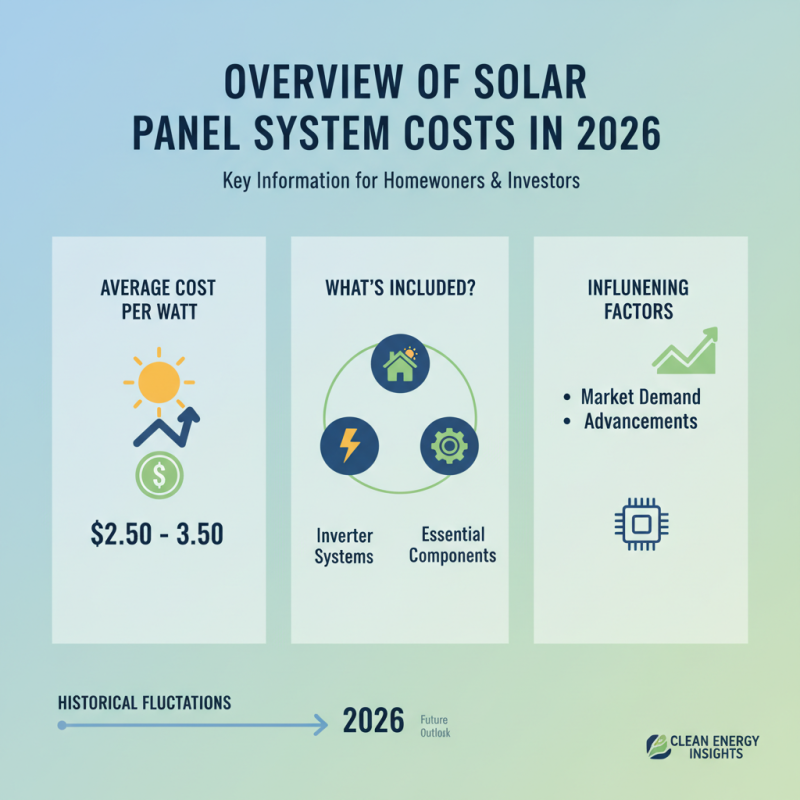
As we look ahead to 2026, understanding solar panel system costs becomes crucial for potential homeowners and investors. The cost of solar panels has historically seen fluctuations, influenced by market demand and technological advancements. In 2026, the average cost per watt may remain around $2.50 to $3.50. This price could include installation, inverter systems, and other essential components.
Several factors will impact these costs. Technological improvements may lower the cost of manufacturing solar panels. However, supply chain issues and inflation could counterbalance these savings. In some regions, incentives and tax rebates can significantly reduce the overall expenditure. It's essential to factor in these variables while making projections. Some areas may experience higher costs due to logistical challenges.
Investing in a solar panel system involves more than just initial costs. Homeowners must consider long-term returns and maintenance expenses. Some homeowners may find unexpected repairs or higher than anticipated utility bills. It's important to do thorough research, weighing all aspects before proceeding. Only then can one ensure a wise investment in solar energy for the future.
Factors Influencing Solar Panel Prices in 2026
In 2026, various factors will influence solar panel system prices. The rising demand for renewable energy will play a significant role. As more homeowners shift towards solar energy, suppliers may increase prices to match this demand. Additionally, advancements in technology can lead to lower production costs, but fluctuations in raw material prices can counteract this.
Government policies will also impact costs. Incentives or tax credits could help make solar energy more accessible. However, changes in regulations might lead to potential price hikes. Market competition is another crucial element. New players entering the market could drive prices down, but leading companies may maintain higher costs to ensure quality and brand trust.
Lastly, installation costs and labor availability will influence the overall expenses. Skilled installers are often in high demand, and labor shortages can push prices higher. An unpredictable future remains, and households should stay informed. Keeping these factors in mind can help potential buyers navigate the evolving solar panel landscape in 2026.
Expected Solar Panel System Costs in 2026
This chart illustrates the projected average cost of solar panel systems based on various factors that influence pricing, including material costs, installation charges, and technology advancements.
Comparative Analysis of Different Solar Panel Technologies
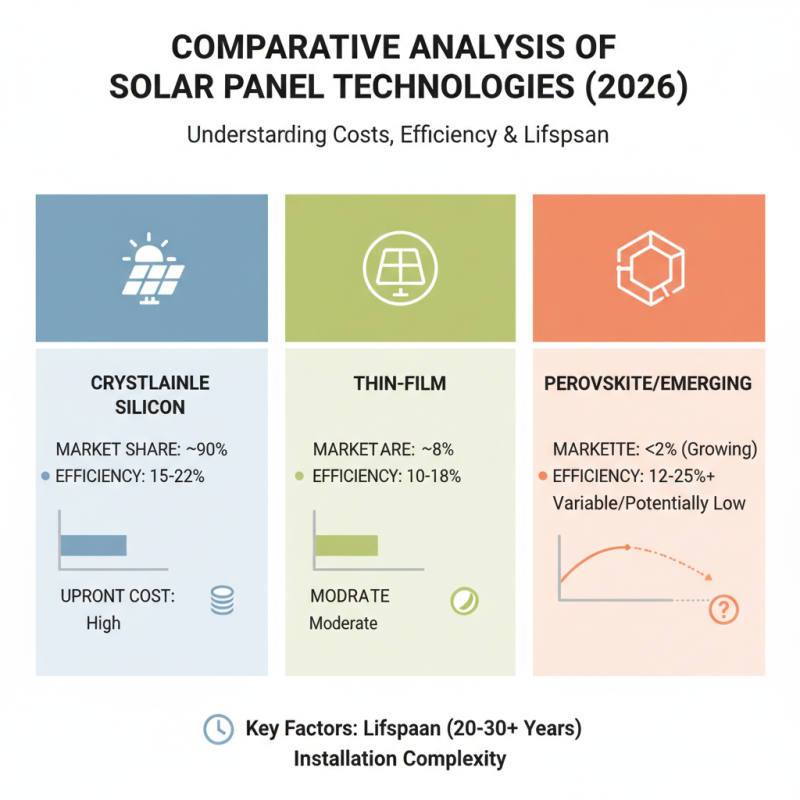
As we look ahead to 2026, understanding the costs associated with different solar panel technologies will be crucial. Solar panel systems vary greatly in terms of efficiency, lifespan, and installation costs. Crystalline silicon panels are the most popular, accounting for nearly 90% of the market. Their efficiency rates range from 15% to 22%. However, they can have higher upfront costs compared to other technologies.
Thin-film solar panels also deserve attention. They are lighter and can be integrated into various surfaces. Their efficiency is lower, typically around 10% to 13%. Yet, they might be appealing due to their lower price point and flexibility. Reports indicate that while thin-film technology may not last as long as crystalline options, advancements are underway that could enhance their durability and performance.
Emerging technologies, such as BIPV (Building-Integrated Photovoltaics), present a unique niche. These systems blend into building materials, offering aesthetic advantages. However, they often entail higher costs. A 2023 report highlighted that while BIPV installations can exceed traditional systems by 20%, their appeal lies in energy efficiency over time. The market’s shift toward sustainable solutions continues to evolve, but each technology has its benefits and limitations that require careful consideration.
Government Incentives and Subsidies for Solar Installations
Government incentives and subsidies play a crucial role in promoting solar installations. In 2026, these financial supports are expected to remain significant. Homeowners can take advantage of tax credits and rebates. These can drastically reduce the upfront costs of solar panel systems.
Local and federal programs also aim to encourage green energy use. Many states offer additional incentives, such as performance-based payments. This helps ensure that solar energy becomes an attractive option for homeowners. However, the availability of these incentives varies by location. Research is essential to understand what is applicable in your area.
It's important to know that incentives may change. Policymakers often reassess renewable energy programs. This can create uncertainty for potential solar users. Potential investors should keep an eye on legislation that impacts subsidies. Staying informed is key to harnessing the best financial opportunities available.
2026 Top Solar Panel System Cost What to Expect?
| Item |
Estimated Cost ($) |
Government Incentives (%) |
Net Savings After Incentives ($) |
| Residential Solar Panel System |
$15,000 |
26% |
$11,100 |
| Commercial Solar Panel System |
$50,000 |
30% |
$35,000 |
| Off-Grid Solar Panel System |
$20,000 |
20% |
$16,000 |
| Solar Battery Storage |
$10,000 |
26% |
$7,400 |
| Installation Costs |
$5,000 |
0% |
$5,000 |
Long-Term Savings and Return on Investment for Solar Systems
As solar energy continues to gain traction, understanding the long-term savings and
return on investment (ROI) from solar systems becomes crucial.
A recent study by the Solar Energy Industries Association (SEIA)
indicates that homeowners can expect savings of over $20,000
throughout a system's 25-year lifespan. This figure considers fluctuating energy costs and the
increase in property value attributed to solar installations.
Financing options play a significant role in ROI. Homeowners can consider solar loans or leasing
arrangements that provide immediate savings. On average, customers who opt for solar loans see
a payback period of around 5 to 7 years, after which they
enjoy free electricity. It's essential to evaluate all
available options to determine the most beneficial financial path.
Tips: Always review the terms of solar financing carefully.
Consider working with reputable solar consultants to maximize savings. The initial investment may
seem daunting, but the long-term benefits can significantly outweigh early costs. However,
fluctuations in electricity prices and incentives can impact overall ROI, necessitating periodic
assessments of your solar system's performance.