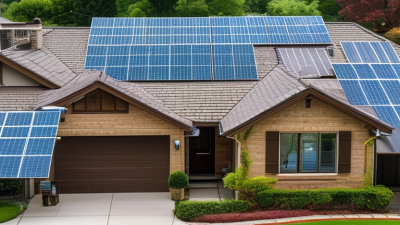
Top Benefits of Residential Solar Energy for Homeowners
Residential solar energy has become increasingly popular among homeowners seeking sustainable solutions. According to Dr. Emily Hansen, a leading expert in the solar industry, "Investing in residential solar not only reduces energy costs but also benefits the environment." Homeowners are discovering the significant advantages of going solar, including lower monthly bills and increased property value.
The transition to residential solar is not just about economics; it’s also a step toward environmental responsibility. Many families are motivated by a desire to reduce their carbon footprint. Solar installations can help decrease reliance on fossil fuels. However, the initial investment can be daunting for some. It's important to weigh the long-term benefits against the upfront costs.
As homeowners embrace residential solar, they have the chance to contribute to a more sustainable future. Yet, understanding the complexities of solar energy systems can be overwhelming. Some may struggle with choosing the right technology or navigating local regulations. Recognizing and addressing these challenges is essential for making informed decisions.
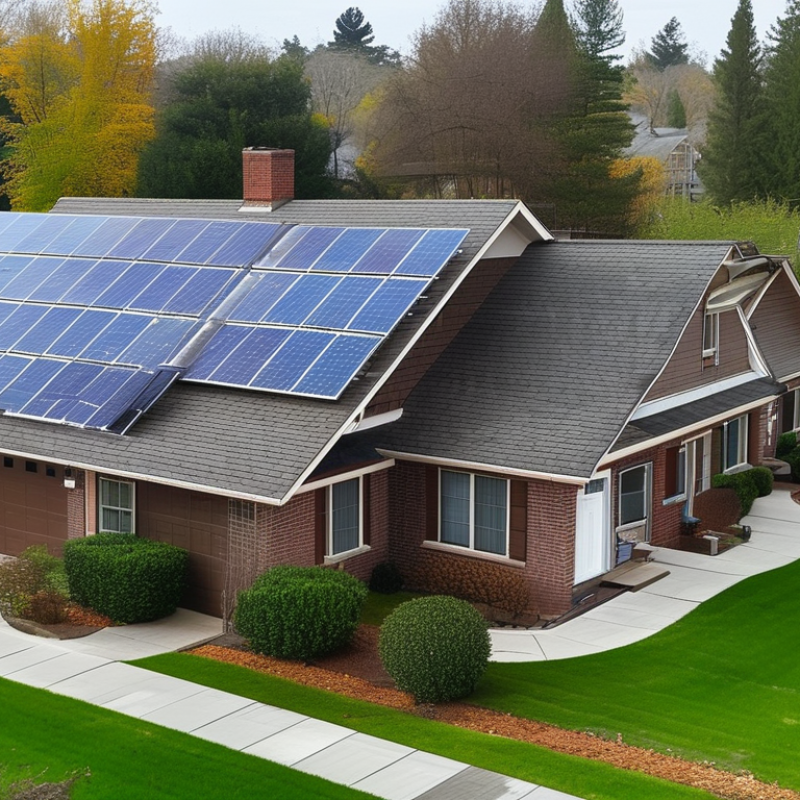
Benefits of Reduced Energy Bills with Solar Power
Residential solar energy offers significant savings for homeowners, especially concerning reduced energy bills. Once a solar power system is installed, the dependence on traditional energy sources diminishes. This shift can lead to substantial cost reductions. For many homes, the energy savings can reach hundreds of dollars per month. As utility rates continue to rise, solar becomes increasingly appealing.
Many homeowners find that net metering enhances their savings further. This system allows homeowners to sell excess energy back to the grid. During peak sunlight hours, solar panels often produce more energy than a home needs. This surplus can not only offset energy costs but can also lead to additional income or savings credits on future bills. However, initial installation costs and maintenance must be considered.
While the idea of solar energy is enticing, there are challenges. Not every home is suitable for solar panels, due to shading or roof orientation. Homeowners might face upfront expenses that require careful planning. This process demands thorough research and potentially hiring professionals for accurate assessments. Despite these hurdles, the long-term savings and environmental advantages make solar energy a worthwhile consideration.
Top Benefits of Residential Solar Energy for Homeowners
This chart illustrates the top benefits of residential solar energy for homeowners, focusing on the potential reduction in energy bills over a 12-month period. The data shows the average monthly savings achieved by homeowners who have installed solar energy systems.
Environmental Impact of Residential Solar Energy Systems
The environmental impact of residential solar energy systems is significant. These systems reduce reliance on fossil fuels. By harnessing sunlight, homeowners can lower their carbon footprints. This shift helps combat climate change. Solar panels convert sunlight into electricity, reducing greenhouse gas emissions.
Installing solar energy systems also promotes biodiversity. A well-placed solar array can coexist with local wildlife. This is essential for maintaining ecosystems. However, some solar farms can disrupt habitats. Site planning should consider wildlife corridors.
Another aspect relates to resource use. Manufacturing solar panels requires materials like silicon and metals. Mining these resources can have ecological consequences. Recycling systems for panels are still developing. It’s crucial for homeowners to stay informed about these issues to maximize the benefits of solar energy while minimizing negative impacts.
Increased Property Value Through Solar Installation
The installation of residential solar energy systems can significantly enhance property values for homeowners. According to a 2022 study by the U.S. Department of Energy, homes equipped with solar panels typically see a boost in value ranging from 3% to 4%. This increase translates to thousands of dollars, making solar installations a financially savvy decision in the long run. Many potential buyers view solar energy as a desirable feature, leading to quicker sales and higher offers.
One key factor contributing to this rise in property value is savings on energy bills. Homeowners can save an average of $20,000 over 20 years. This affordability offers a strong appeal to prospective buyers who are increasingly conscious of energy costs and sustainability. The growing awareness around climate change also plays a role in the rising interest in energy-efficient homes.
Consider evaluating the solar tax credits available in your area. These incentives can reduce initial costs significantly. It's also smart to keep your solar system well-maintained. Documenting its performance can provide potential buyers with confidence in their investment. While many homeowners have embraced solar energy, some hesitate due to misconceptions about maintenance and installation costs. Addressing these concerns with research and expert advice can lead to informed decisions and sustainable benefits.
Government Incentives and Rebates for Homeowners
Government incentives have greatly boosted interest in residential solar energy. Tax credits and rebates provide significant savings for homeowners. For instance, the Federal Solar Investment Tax Credit (ITC) allows homeowners to deduct 26% of their solar system costs from their federal taxes. This incentive can reduce the initial investment, making solar energy more accessible.
In addition, various state programs offer rebates. According to the Database of State Incentives for Renewables & Efficiency (DSIRE), many states provide cash rebates based on system size, further enhancing financial benefits. Some utility companies also promote solar energy by offering performance-based incentives. These initiatives can lower costs and encourage clean energy adoption.
However, challenges remain. The process of applying for incentives can be complicated. Homeowners may encounter delays or inconsistencies in program guidelines. It’s important to do thorough research before proceeding. Despite these hurdles, the potential long-term savings are substantial. Homeowners could see reduced electricity bills and increased property value. Understanding the incentives available is crucial for maximizing benefits.
Long-term Energy Independence and Sustainability Benefits
Residential solar energy provides homeowners with valuable benefits, particularly in terms of energy independence and sustainability. By investing in solar technology, homeowners can significantly reduce their reliance on traditional power sources. A report from the National Renewable Energy Laboratory (NREL) indicates that solar energy can offset electricity costs by up to 75% over the lifespan of a solar system. This reduction in costs translates to long-term financial savings.
Sustainability is a critical benefit of residential solar energy. Homeowners contribute to a cleaner environment by using renewable energy. The Environmental Protection Agency (EPA) states that solar energy systems can reduce carbon emissions by approximately 80% compared to fossil fuels. This shift helps combat climate change and promotes a more sustainable future for communities.
While the initial investment in solar panels can be substantial, many find the long-term rewards outweigh the upfront costs. Factors such as local incentives and rising energy prices can complicate decision-making. Homeowners should conduct thorough research and consider their unique circumstances before making a commitment. The push for energy independence through solar energy represents a significant step towards a more sustainable and resilient energy future.
Top Benefits of Residential Solar Energy for Homeowners
| Benefit |
Description |
Long-term Impact |
| Energy Independence |
Reduces dependency on traditional energy sources and fossil fuels. |
Promotes self-sufficiency and resilience against energy price fluctuations. |
| Cost Savings |
Lowers electricity bills over time through reduced reliance on grid power. |
Significant savings over the lifespan of the solar system. |
| Environmental Benefits |
Reduces carbon footprint and environmental pollution. |
Contributes to a cleaner, more sustainable planet. |
| Increased Home Value |
Homes with solar systems typically sell for more. |
Attractive to environmentally conscious buyers. |
| Government Incentives |
Tax credits and rebates reduce the upfront cost of solar installations. |
Makes solar more accessible and affordable for homeowners. |