What is a Capacitor Duty Contactor and How to Choose One?
Choosing the right Capacitor Duty Contactor is crucial for various applications in electrical systems. These contactors are specifically designed to handle the unique demands of capacitive loads. Understanding their role can prevent potential failures and ensure system reliability.
A Capacitor Duty Contactor is not just a simple switch. It is built to manage the inrush currents associated with capacitors. Selecting an appropriate model involves considering voltage ratings, current capacity, and environmental conditions. Each parameter plays a vital role in optimizing performance and avoiding damage.
However, not all contactors are created equal. Some may not withstand the rigors of daily operation. Researching brands and consulting professionals can help in making informed choices. It's also essential to reflect on past experiences with contactors. Mistakes in selection can lead to costly repairs and downtime. Ensure to prioritize reliability and durability in your decision-making process.
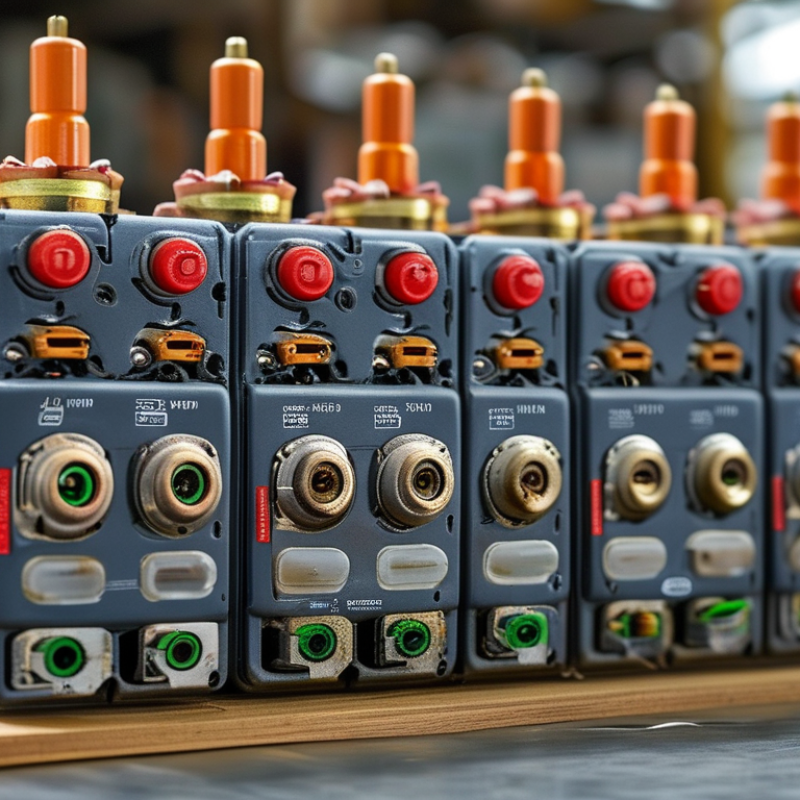
What is a Capacitor Duty Contactor and Its Function in Electrical Systems?
A capacitor duty contactor is essential in electrical systems. It is designed to control the switching of capacitors. These components help improve power factor and manage reactive power in electrical circuits. Their primary role is to enhance energy efficiency, allowing for smoother operations across equipment.
Capacitor duty contactors are equipped to handle frequent cycling. They endure rigorous conditions without fail. This reliability is paramount in industrial settings, where operational demands fluctuate. When considering a contactor, evaluate the required voltage and current ratings. Compatibility with existing systems is critical for effective performance.
Tips: Always assess your system's unique demands. Select a contactor with sufficient capacity and durability. Regularly inspect and maintain equipment to prevent malfunctions.
There can be challenges in choosing the right contactor. Inadequate sizing may lead to inefficiency. Too much cycling stress can also shorten lifespan. Hence, understanding system requirements is critical. Every choice impacts the overall efficiency and reliability of electrical systems.
Key Specifications of Capacitor Duty Contactors in Power Applications
Capacitor duty contactors are crucial in electrical power applications. Choosing the right one is essential for optimal performance. These contactors are designed for switching capacitor banks and can handle a variety of loads. Key specifications to consider include:
- Voltage rating
- Current rating
- Insulation class
The voltage rating should align with the application requirements, typically ranging from
230V to 690V. Certain reports indicate that over
60% of failures in capacitor circuits involve inadequate voltage ratings. This highlights the need for careful selection. Additionally, current ratings must be sufficient to handle inrush currents, which can be up to
10 times the steady-state current during switching.
Insulation class is another vital consideration.
Class F,
Class H, or higher are often recommended for reliability in industrial settings. Proper insulation ensures that contactors operate smoothly in demanding environments.
Failure to adhere to these specifications can lead to performance issues. Research indicates that around
30% of contactor failures stem from incorrect installations or overheating. Choosing the wrong component introduces risks. Understanding each specification can prevent future losses and improve
system longevity.
Factors to Consider When Choosing a Capacitor Duty Contactor
When selecting a capacitor duty contactor, there are several important factors to consider. One crucial aspect is the voltage rating. Ensure that the contactor matches or exceeds the system's voltage requirements. Running a device with a lower-rated contactor can lead to failures. Pay attention to the current-carrying capacity as well. A contactor that doesn’t support the necessary current can overheat, risking damage.
Another essential factor is the operating environment. If the contactor will be in a location with high moisture or extreme temperatures, seek one with suitable weatherproofing and thermal ratings. This can enhance reliability and lifespan. Additionally, consider the switching frequency. A contactor used frequently should be designed for higher operational limits to avoid premature wear.
It’s also beneficial to evaluate the contactor's construction materials. Higher-quality materials offer better performance and longevity. Many users overlook this aspect, only to face issues later. Look at the manufacturer's reputation and reviews. Reliability often stems from experience and expertise, which can provide peace of mind in your choice.
Industry Standards and Ratings for Capacitor Duty Contactors
When selecting a capacitor duty contactor, understanding industry standards and ratings is crucial. These specifications ensure that the contactor can handle the unique electrical demands of capacitor banks. Typical ratings include voltage and current capacities. Each contactor must meet specific guidelines set by organizations like IEC and NEMA. These organizations define performance criteria for reliability under various conditions.
It’s essential to evaluate the thermal and electrical life ratings of a contactor. This information reflects how long the device can operate without failure. Some contactors may surprise you with lower lifespans than expected, often due to inadequate ventilation or application mismatches. Always review the manufacturer's documentation for these details.
Another aspect to consider is the breaking capacity of the contactor. This rating indicates how much current the device can interrupt safely. A contactor with a low breaking capacity can lead to serious risks. Inaccurate assessments can cause equipment damage. Understand the load requirements before choosing a product. Ignoring these ratings can lead to failures, underscoring the importance of informed decisions in this technical field.
Common Applications and Use Cases for Capacitor Duty Contactors in Industry
Capacitor duty contactors play a vital role in various industrial applications. They are particularly suited for controlling capacitor banks, which help improve power factor and stabilize voltage. According to industry research, using capacitor duty contactors can enhance energy efficiency, reducing energy costs by approximately 10-20% in manufacturing processes. These devices are also used in applications like reactive power compensation and voltage regulation in electric distribution systems.
When choosing a capacitor duty contactor, consider the operational parameters. Rated voltage, current capacity, and switching frequency are crucial. The choice of materials can affect the reliability and lifespan of the contactor. Additionally, it's essential to match the contactor's specifications to the specific load types. Capacitor loads can be inductive or resistive, and selecting the wrong contactor may lead to premature failure.
Tips: Ensure proper insulation and thermal management. This can prevent overheating, especially in high-load conditions. Regular maintenance checks can extend the contactor's service life. Be aware that environmental factors, like humidity and dust, can influence performance. Proper installation significantly affects reliability and efficiency, requiring careful planning and expert advice.