China Top 10 Free Solar Panels Suppliers?
“Free solar panels” sounds simple, but the offer often hides important conditions. Some suppliers provide panels through government grants, community programs, leasing contracts, or promotional campaigns. Others advertise free installation while charging for electricity, maintenance, financing, or roof upgrades. The word free needs careful inspection.
Solar market analyst Jenny Chase has warned, “Free solar is never really free; someone always pays for the equipment or service.” Her point is useful for this guide. A homeowner should examine the contract, ownership terms, warranty length, output guarantee, and cancellation fees. Ask who repairs the inverter after ten years. Check the roof, too. A shaded roof can turn an attractive offer into an expensive disappointment.
This guide reviews ten potential suppliers connected with free solar panels and related assistance programs. It considers company experience, product quality, installation coverage, customer support, and pricing transparency. Public incentives can change by region, so availability may differ between countries, states, and cities. A supplier listed today may not serve your postcode tomorrow.
The ranking is not a promise of savings. It is a practical starting point. Compare written quotations, not cheerful sales claims. Confirm whether batteries, permits, monitoring, and grid connection costs are included. Some offers may look generous but provide limited panel capacity. That deserves attention.
There is no perfect list. Supplier information changes. Readers should verify current terms independently before signing anything.
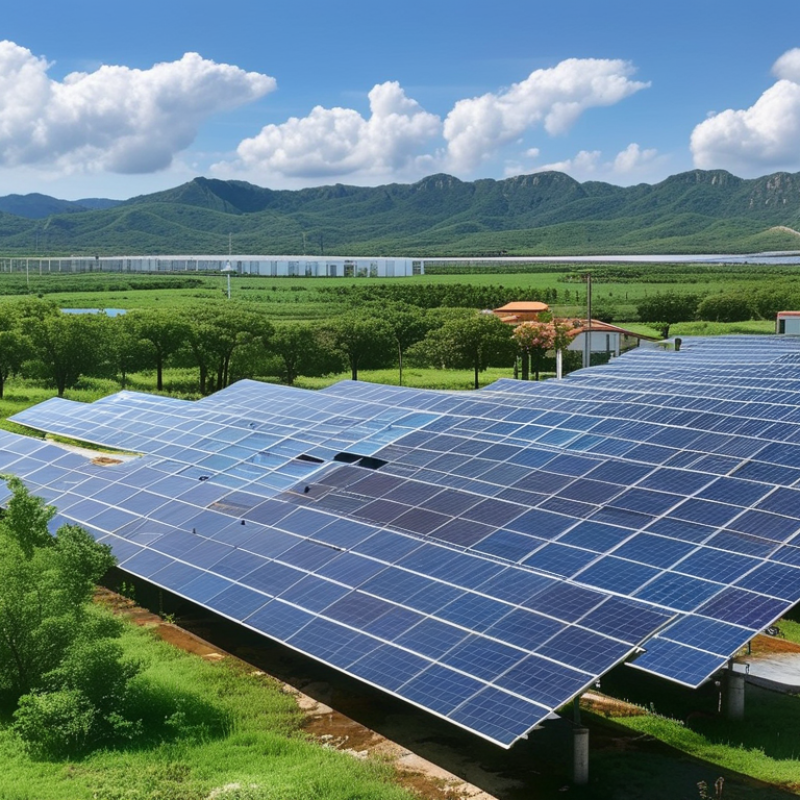
What “Free Solar Panels” Means in China’s Solar Market
In China’s solar market, “free solar panels” rarely means panels with no cost. The phrase usually describes a promotion, financing plan, sample offer, or bundled installation agreement. A supplier may provide a few modules for testing, while charging for inverters, mounting systems, delivery, or technical support. The invoice tells the real story.
Many top-ten supplier lists use “free” to attract overseas buyers. A buyer should ask what the offer includes. Check the panel wattage, cell type, production date, warranty terms, packaging, and shipping responsibility. Confirm whether testing documents match the actual products. A low-price sample can become expensive after customs handling, insurance, and local installation. Small details matter.
Some Chinese manufacturers support rooftop projects through leases, power-purchase arrangements, or installment payments. These options reduce the first payment, but they do not remove the total cost. Review contract duration, ownership, maintenance, performance guarantees, and early termination terms. Ask for a written quotation with every fee listed. Do not rely on chat promises.
Be careful here.
From a professional sourcing perspective, “free” should be treated as a marketing label, not a technical category. Independent product inspection can reveal damaged frames, inconsistent labeling, or weak documentation before shipment. I would also compare several quotations, even when one appears unusually generous. My earlier assumption was that free samples always reduced risk; that was incomplete. A sample proves appearance, not long-term performance.
China Top 10 Free Solar Panels Suppliers? - What “Free Solar Panels” Means in China’s Solar Market
In China, “free solar panels” generally refers to a no-upfront-cost arrangement rather than completely free equipment. The system may be financed, leased, owned by an energy-service provider, or supported by a local program. Availability, pricing, ownership, and eligibility vary by province, grid conditions, roof type, and contract terms.
| Rank | Anonymous Supplier / Market Model | How the “Free” Offer Works | Typical Customer | Who Usually Owns the System | Customer Payment Structure | Main Benefit | Main Risk or Limitation |
|---|---|---|---|---|---|---|---|
| 1 | Third-Party-Owned Residential PV Provider | The provider pays for installation and recovers its investment through electricity savings, a roof lease, or an agreed power-purchase arrangement. | Rural homeowners with suitable roofs and stable grid access. | Usually the provider during the contract term. | Usually no initial payment; the homeowner may receive a fixed roof-rental payment or share of generation income. | Low entry cost and professional installation. | Long contracts, unclear ownership at expiry, and possible roof-access restrictions. |
| 2 | Residential Energy-Service Company | An energy-service company invests in the system and is compensated from operating revenue or verified energy savings. | Households, public buildings, and small commercial properties. | Normally the energy-service company until contract completion. | No upfront capital in some contracts; payments are linked to savings, output, or an agreed tariff. | Can include maintenance, monitoring, and performance management. | Actual savings depend on weather, electricity consumption, equipment quality, and contract definitions. |
| 3 | Rooftop Lease and Power-Purchase Operator | The operator leases the roof, installs the system, and sells generated electricity under a negotiated arrangement. | Large rural roofs, factories, warehouses, and agricultural buildings. | The operator or its financing partner. | The roof owner may receive rent or discounted electricity instead of paying for equipment. | Useful for owners that do not want to fund or operate a PV project. | Roof structural issues, land-use restrictions, grid-connection limits, and contract-transfer problems. |
| 4 | Zero-Deposit Solar Financing Provider | A lender or installer finances the equipment so the customer does not pay a deposit at installation. | Homeowners and small businesses with adequate credit and documented property rights. | Usually the customer after installation, subject to financing security. | Monthly loan or installment payments; “free” refers only to the initial payment. | Immediate system ownership without paying the full project cost upfront. | Interest, loan fees, collateral requirements, and repayment obligations remain. |
| 5 | Rural Collective or Village-Level PV Program | A village collective, local public entity, or project operator develops shared rooftop capacity and distributes benefits under local rules. | Participating rural households or collectively managed buildings. | Often the collective, public entity, or project company. | Residents may receive a fixed benefit, rent, or revenue share rather than owning individual panels. | Can reduce individual investment and simplify project administration. | Participation rules, benefit allocation, and project eligibility differ by locality. |
| 6 | Industrial and Commercial ESCO | A project developer funds rooftop PV for a factory, logistics site, or commercial building and sells power under a contract. | Factories, warehouses, shopping facilities, and office campuses. | Usually the project developer or an investment vehicle. | The site pays for electricity consumed, often at a negotiated discount to applicable grid electricity costs. | Can lower daytime electricity costs without using the customer’s capital budget. | Requires a sound roof, sufficient daytime load, landlord consent, and a bankable long-term contract. |
| 7 | Local Demonstration or Public-Support Project | A local government or public institution may support equipment, installation, or feasibility costs for a designated pilot project. | Selected households, public facilities, low-income groups, or demonstration sites. | Depends on the program rules; ownership may remain public or be transferred to participants. | Possibly no direct equipment payment, but eligibility and application requirements apply. | May reduce installation costs for qualified participants. | Not a nationwide entitlement; funding, scope, and duration are limited and location-specific. |
| 8 | Agricultural and Fishery Facility PV Operator | The operator combines solar generation with an approved agricultural, aquaculture, or rural production facility. | Owners or users of agricultural sheds, greenhouses, and approved rural facilities. | Usually the operator or project investor. | The property owner may receive rent or project income without funding the PV equipment. | Uses existing structures and may create an additional revenue stream. | Projects must comply with land-use, agricultural, environmental, and grid-connection requirements. |
| 9 | Community Shared-Solar Subscription | Customers subscribe to or receive benefits from a shared solar project rather than installing panels on their own roofs. | Apartments, renters, households with unsuitable roofs, and small organizations. | The community project, cooperative, or investment entity. | May involve a subscription, energy bill credit, or revenue-sharing arrangement instead of equipment ownership. | Provides access to solar benefits without private rooftop installation. | Availability is limited, and bill-credit or settlement rules may be complex. |
| 10 | Equipment Donation or Social-Relief Project | A charitable, public-welfare, or corporate social-responsibility project supplies equipment or installation to a defined beneficiary group. | Qualified low-income households, schools, clinics, or community facilities. | The beneficiary, public institution, or sponsoring organization according to the project terms. | Often no equipment charge; maintenance and future replacement responsibilities must be confirmed. | Can provide electricity-cost relief to targeted beneficiaries. | Small scale, limited availability, and possible gaps in long-term maintenance support. |
Related Posts
-
2026 Best Full Solar Panel System Options for Your Home and Business?
-
How to Choose the Best Solar Panel Kit for Your Home?
-
Top Power Solar Solutions for Global Buyers in 2026?
-
What is a solar power system and how does it work?
-
China Top 10 PV Panels Manufacturers for Global Buyers?
-
China Top 10 Free Solar Panels for Global Buyers?