China Top 10 Home Solar System Suppliers and Cost Guide
China has become a central force in the global residential solar market. According to the IEA PVPS Trends 2024 report, China installed more than 200 gigawatts of photovoltaic capacity in 2023. That scale supports strong manufacturing depth, competitive component prices, and rapid product development.
Still, choosing a supplier requires more than comparing factory quotations. A complete home solar system cost includes panels, inverters, batteries, mounting hardware, shipping, installation, monitoring, and after-sales service. EnergySage reported an average U.S. residential solar price of about $3.01 per watt before incentives in 2024. Chinese export prices may look lower. They often exclude local installation, certification, taxes, and replacement risks.
That difference is easy to miss.
The International Renewable Energy Agency has repeatedly documented major solar cost reductions, while IEA Executive Director Fatih Birol described solar as “the new king of electricity markets.” His statement reflects market momentum, but it does not guarantee that every household receives the same financial return. Roof direction, sunlight, electricity tariffs, battery use, and warranty quality can change the final result.
This guide reviews ten leading Chinese home solar system suppliers through a practical lens. It compares product ranges, certifications, warranty terms, export experience, and estimated system pricing. The figures are reference points, not promises. No ranking is perfect. Supplier quotations can change quickly, and lower equipment prices may create higher long-term service costs. A careful buyer should request an itemized quotation, verify test reports, and calculate payback using local electricity data.
China’s Home Solar System Market and Supplier Landscape
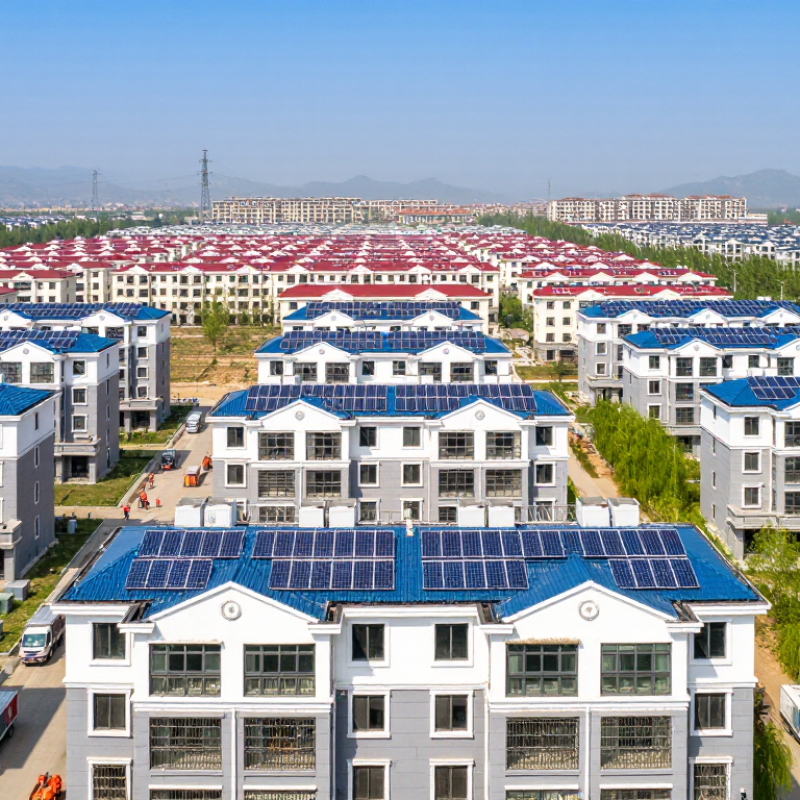
China’s home solar system market has expanded from small rooftop installations to integrated household energy packages. Suppliers now offer panels, hybrid inverters, batteries, mounting structures, and monitoring software. Demand is strongest in rural homes, villas, and regions with high electricity prices. Local installers also influence purchasing decisions, especially where grid access is limited.
A practical Top 10 supplier list should measure more than factory size. Production capacity, export experience, warranty handling, and technical documentation deserve equal attention. Buyers should request test reports, product serial tracking, and clear replacement procedures. Certifications must match the destination market’s requirements.
Prices vary. A typical residential package may include a five-kilowatt inverter, ten-kilowatt-hour battery, and rooftop mounting hardware. Freight, installation, taxes, and permits can significantly change the final cost.
The supplier landscape is not perfectly transparent. Some companies assemble systems from mixed components, which can complicate after-sales service. A low quotation may hide weaker batteries or limited remote support. During supplier reviews, ask for recent project references and response times for fault cases. Check whether software data remains available after installation.
It is not perfect. Even experienced buyers can overlook local roof conditions, winter shading, or battery temperature limits. A careful comparison should balance initial cost, usable energy, safety testing, and service capacity rather than focusing only on headline pricing.
How to Compare Home Solar System Suppliers in China
Comparing home solar system suppliers in China requires more than checking the lowest quotation. Ask for a complete equipment list, including panels, inverters, batteries, mounting rails, cables, and monitoring devices. A reliable supplier should provide test reports, factory details, product specifications, and clear warranty terms. Certificates should match the destination market, not just a generic sales presentation.
Request identical system designs from at least three suppliers. Compare usable battery capacity, inverter efficiency, temperature range, and expected annual output. A 10 kW system may perform differently because of panel quality, roof angle, and local sunlight. Check whether the quotation includes packaging, shipping, installation guidance, spare parts, and import-related costs. Hidden charges can change the final price quickly.
Inspect the supplier’s communication habits. Do engineers answer technical questions directly? Can they share recent project photos, production videos, and references from similar climates? I would also ask for a sample purchase or independent inspection before placing a large order. It costs more time. That time can prevent expensive mistakes. Some suppliers promise long service support, but their response process remains vague. Written repair timelines and replacement procedures matter. I have seen comparisons focus too heavily on price, while ignoring battery cycle life and after-sales training. That is an easy mistake to repeat.
| Rank | Supplier Profile | Typical System | Recommended Application | Battery Configuration | Inverter Type | Indicative China Export Price | Typical Lead Time | Common MOQ | Quality and Compliance Checks | Warranty Benchmark |
|---|---|---|---|---|---|---|---|---|---|---|
| 01 | Large integrated residential system supplier | 5 kW solar array with 10 kWh storage | Whole-home backup and daily self-consumption | LiFePO₄ 48 V low-voltage battery |
5 kW hybrid inverter | US$3,800–6,500 | 20–35 days | 1 complete system | IEC 61215, IEC 61730, UN 38.3, MSDS, ISO 9001, factory audit | 10–12 years for battery; 5–10 years for inverter |
| 02 | Residential hybrid-storage specialist | 8 kW solar array with 15 kWh storage | Large homes with frequent grid outages | LiFePO₄ High-voltage modular battery |
8 kW hybrid inverter with backup output | US$6,200–10,500 | 25–45 days | 1–2 systems | Battery cell traceability, BMS testing, IEC 62619, UN 38.3, anti-islanding test | 10 years or 6,000 cycles for battery; 5–10 years for inverter |
| 03 | Budget-focused grid-tied system supplier | 3 kW solar array without battery | Reducing electricity bills where the grid is reliable | Not included | 3 kW grid-tied inverter | US$1,100–1,900 | 15–30 days | 5–10 sets | IEC 61215, IEC 61730, IEC 62109, CE, IP65 or higher inverter enclosure | 12–25 years for modules; 5–10 years for inverter |
| 04 | Small-home off-grid system supplier | 3 kW solar array with 5 kWh storage | Remote homes, cabins, and weak-grid locations | LiFePO₄ 48 V battery bank |
3 kW off-grid inverter-charger | US$2,400–4,200 | 20–40 days | 1 system | Off-grid surge rating, generator compatibility, battery low-temperature protection, IP rating | 5–10 years for battery; 3–5 years for inverter |
| 05 | High-power residential system supplier | 10 kW solar array with 20 kWh storage | Large houses, home offices, and electric vehicle charging | LiFePO₄ High-voltage stackable battery |
10 kW three-phase hybrid inverter | US$8,500–14,500 | 30–50 days | 1–2 systems | Three-phase balancing, thermal safety test, IEC 62477-1, IEC 62619, grid-code compatibility | 10 years for battery; 5–10 years for inverter |
| 06 | Balcony and compact solar kit supplier | 0.8–2 kW solar array with 1.5–4 kWh storage | Apartments, balconies, and limited roof areas | LiFePO₄ Plug-in or portable battery |
Microinverter or compact hybrid inverter | US$700–2,300 | 15–30 days | 10–20 kits | Local plug certification, residual-current protection, export-limit control, installation instructions | 5–10 years for battery; 5–10 years for inverter |
| 07 | Premium design and monitoring supplier | 6 kW solar array with 12 kWh storage | Homes requiring quiet operation and advanced energy management | LiFePO₄ App-monitored modular battery |
6 kW hybrid inverter with smart load control | US$5,500–9,500 | 30–50 days | 1 system | Monitoring platform test, firmware update policy, acoustic rating, cybersecurity and data-access terms | 10 years for battery; 10 years commonly available for inverter |
| 08 | Commercial-volume residential supplier | 5 kW solar array with 10 kWh storage | Installers purchasing multiple standardized home systems | LiFePO₄ Modular 48 V or high-voltage battery |
5 kW hybrid inverter | US$3,200–5,700 per set | 30–60 days | 10–50 systems | Production consistency, incoming-cell inspection, batch testing, spare-parts availability, audit report | 10 years for battery; 5–10 years for inverter |
| 09 | Cold-climate residential supplier | 6 kW solar array with 15 kWh storage | Cold regions with winter backup requirements | LiFePO₄ Heated battery enclosure |
6 kW hybrid inverter with temperature control | US$6,000–10,200 | 30–55 days | 1–2 systems | Low-temperature charging protection, heating-energy specification, enclosure insulation, IP65 or higher | 10 years for battery; 5–10 years for inverter |
| 10 | Custom engineering and OEM system supplier | 5–15 kW solar array with 10–30 kWh storage | Projects requiring custom voltage, enclosure, software, or packaging | LiFePO₄ Configured to project requirements |
Single-phase or three-phase hybrid inverter | US$4,000–20,000+ | 45–90 days | 1 prototype or 5–20 systems | Engineering drawings, prototype test, change-control process, factory acceptance test, certification plan | Project-specific; commonly 5–10 years for inverter and 10 years for battery |
Top 10 Chinese Home Solar System Suppliers
China’s top 10 home solar system suppliers serve a highly competitive export market. The IEA PVPS Trends in Photovoltaic Applications 2024 report states that China held more than half of global installed photovoltaic capacity by the end of 2023. This scale supports strong manufacturing depth, but it does not guarantee equal quality.
A practical top-ten shortlist should include suppliers with audited factories, IEC-certified modules, tested inverters, and clear battery safety documentation. Look for at least a 10-year product warranty and transparent performance terms. Some suppliers offer complete systems, including panels, hybrid inverters, batteries, mounting rails, and monitoring software. Others only assemble equipment from several manufacturers. That distinction matters. It affects troubleshooting, spare parts, and warranty claims.
The China Photovoltaic Industry Association reported continued growth in domestic photovoltaic production during 2024, increasing price pressure across export markets. Buyers may receive lower quotations, but unusually cheap offers deserve careful review. Ask for recent test reports, temperature coefficients, cycle-life data, and a sample packing list. A 5 kW household system may require roof measurements, local grid approval, and battery sizing based on evening demand. Freight, certification, installation, and after-sales support can change the final cost significantly.
I would not rank suppliers by price alone. That approach often looks efficient, yet it can become expensive after one failed inverter or delayed replacement part.
Key Components and System Configurations for Homes
China Top 10 Home Solar System Suppliers and Cost Guide
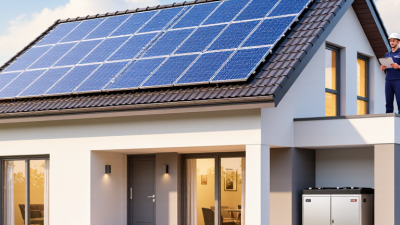
A home solar system usually starts with photovoltaic panels, an inverter, mounting rails, cables, and safety protection. Hybrid systems also include batteries and an energy management controller. During site checks, roof direction, shading, wind exposure, and usable area matter more than a simple panel count. One shaded chimney can reduce output across a string.
Grid-tied systems usually cost less because they exclude batteries. They suit homes with stable utility service and daytime electricity use. Hybrid systems store excess power for evening loads and outages. Off-grid systems need larger batteries, backup generation, and careful load planning. A refrigerator, water pump, and air conditioner can quickly change the required capacity.
Typical residential pricing may range from about 600 to 1,500 US dollars per kilowatt for grid-tied equipment. Hybrid systems can cost considerably more after battery selection and installation. Treat these figures as planning estimates, not promises. Ask suppliers for itemized quotations, efficiency curves, protection details, warranty terms, and test documentation. Reliable suppliers should explain battery chemistry, inverter limits, monitoring access, and replacement procedures. The cheapest offer may omit roof reinforcement or surge protection. That mistake can become expensive. I would also compare actual installation photos and local service records, not only polished product sheets.
Home Solar System Costs, Pricing Factors, and Budgeting
A home solar system often costs between $8,000 and $25,000 before incentives, depending on capacity and equipment quality. A three-bedroom house may need a 5kW to 8kW system. Your electricity bills, roof direction, shade, and local sunlight shape the final design. Battery storage adds considerable expense, often $5,000 to $15,000. Installation also includes permits, wiring upgrades, structural checks, and safety equipment. These smaller items can quietly change the quotation.
Tips: Request three itemized quotations. Check panel output, inverter warranties, battery capacity, labor coverage, and expected maintenance. Ask whether roof repairs are excluded. A low upfront price may hide replacement costs later. My early estimates were too low because I ignored scaffolding and electrical upgrades. That mistake taught me to keep a 10% to 15% contingency budget.
A reliable budget compares total ownership costs, not only the purchase price. Estimate annual energy production using realistic sunlight data, rather than perfect weather assumptions. Review your household’s daytime electricity use before selecting a battery. Oversized storage can increase costs without improving savings. Professional installers should explain projected savings, degradation, monitoring, and grid connection requirements clearly. Written calculations matter. Electricity prices may change, and payback periods are never guaranteed. A practical plan leaves room for future expansion, but extra capacity today may not be financially sensible.
Related Posts
-
How to Calculate Solar System Cost for Your Home?
-
China Top Solar Power for Home Manufacturers?
-
What is the Average Home Solar System Cost in China?
-
China Top 10 Free Solar Panels for Global Buyers?
-

10 Tips to Get Solar Panels Installed Easily and Affordably?
-
10 Best Home Solar Power Systems in 2026?