How to Choose the Best Solar Panels for Your Home?
Choosing the best solar panels for home installations can feel overwhelming. The solar market is rapidly growing. According to the Solar Energy Industries Association, the U.S. solar market increased by 25% in 2022 alone. This reflects a strong shift towards renewable energy and energy independence. Homeowners are increasingly seeking eco-friendly solutions to reduce their carbon footprints.
When selecting solar panels for home use, various factors must be considered. Efficiency ratings, durability, and warranty periods are essential. Some panels perform significantly better than others in different climates. Additionally, understanding your energy needs is crucial. Many homeowners may underestimate their consumption, leading to inadequate installations. Data from the National Renewable Energy Laboratory indicates that a typical home solar system size can range from 5kW to 15kW.
It's also vital to reflect on the installation process and long-term maintenance. Not all solar panel providers offer the same level of service. Choosing a provider with a solid reputation can ensure reliability. Research shows that consumers often face challenges in navigating incentives and financing options. Engaging with local experts can bridge this gap, providing insights tailored to your specific needs.
Understanding Solar Panel Basics and Types
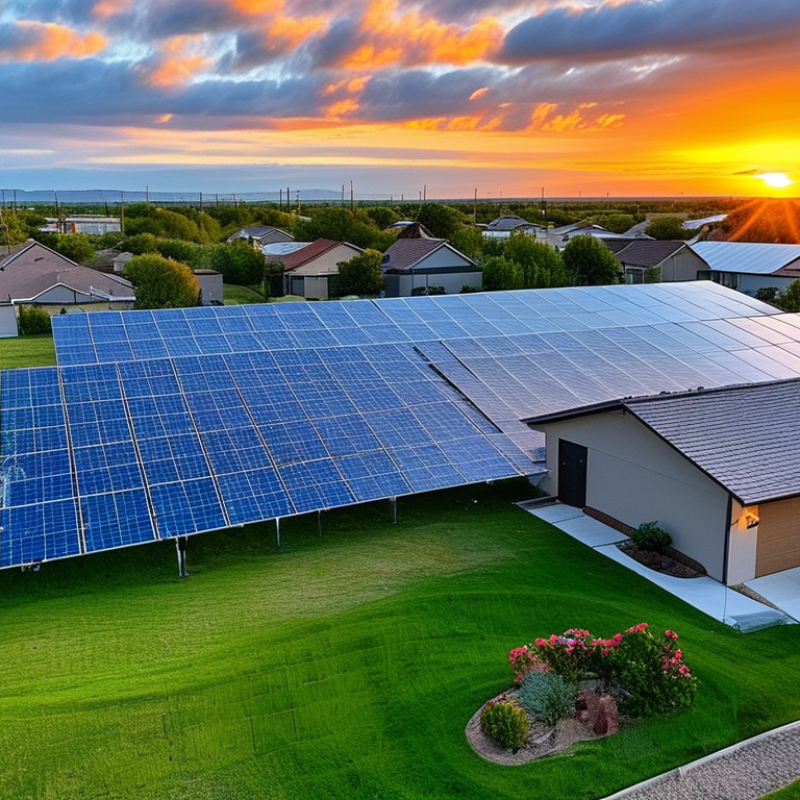
When evaluating solar panels, understanding the basics and types is crucial. There are primarily three types of solar panels: monocrystalline, polycrystalline, and thin-film. Monocrystalline panels are known for their high efficiency and longevity. Typically, they have efficiency rates around 15% to 22%. This means they convert a significant amount of sunlight into electricity. However, they can be more expensive.
Polycrystalline panels are a common choice. Their efficiency averages between 13% to 16%. They are made from multiple silicon crystals, which makes them less efficient but often cheaper. Thin-film panels are the least efficient, usually around 11% to 13%. They are lightweight and flexible, making them versatile for unique applications.
In terms of financials, the cost of solar panel installation varies. According to the National Renewable Energy Laboratory, costs have declined about 70% since 2010. This makes solar energy increasingly accessible for homeowners. System longevity is another concern. Most panels come with warranties between 20 to 25 years. Understanding these details can help you make better decisions. Be wary of industry claims. Research and data can sometimes be skewed to favor one technology over another.
Evaluating Your Energy Needs and Consumption Patterns
When choosing solar panels for your home, understanding your energy needs is crucial. Evaluate your energy consumption patterns over the last year. Consider appliances used, peak usage times, and seasonal variations. According to the U.S. Energy Information Administration, the average American household uses about 877 kWh per month. Knowing this figure helps set realistic solar energy goals.
Next, calculate your energy costs. Analyze your electricity bills to find monthly averages. This assessment reveals potential savings with solar panels. A report from the National Renewable Energy Laboratory indicates that homeowners can save up to 90% on their energy bills through efficient solar solutions. This data empowers homeowners to make informed decisions.
Reflect on your future energy needs as well. Changes in lifestyle, like adding electric vehicles or major appliances, can affect solar requirements. It’s vital to not only address current consumption but also anticipate future demands. Balancing immediate savings with future needs ensures a sustainable energy strategy.
Comparing Efficiency Ratings and Performance Metrics
When selecting solar panels, understanding efficiency ratings is crucial. Efficiency measures how well a panel converts sunlight into electricity. According to the U.S. Department of Energy, the average efficiency of residential solar panels ranges from 15% to 22%. High-efficiency panels often perform better in limited spaces, making them ideal for urban settings. Lower efficiency panels may require more rooftop area, but they can be more cost-effective.
Performance metrics also matter. Look at the temperature coefficient, which indicates how much efficiency drops in high temperatures. A lower coefficient means the panel will perform better in hot climates. The degradation rate is another important factor. Most panels degrade by about 0.5% per year. A panel with a lower degradation rate is more reliable over its lifespan.
Consider local climate conditions when making your choice. Different climates can impact panel performance. For example, panels in cooler locations may deliver more energy than expected. Regular maintenance is also key. Dust and debris can reduce efficiency. An annual inspection may help maintain optimal performance.
Analyzing Costs, Incentives, and Long-term Savings
When considering solar panels, it's crucial to analyze the costs involved.
Initial purchase prices can vary significantly. Look at installation fees, which often include labor and materials. Don't forget to factor in maintenance costs. While solar panels are generally reliable, occasional repairs are necessary. This can add up over time.
Incentives play a significant role in reducing financial burdens. Government programs often provide tax credits and rebates. These can lower the overall cost of your solar system. Research local incentives, as they can differ widely by region. They can be quite beneficial, maximizing your investment in solar energy.
Long-term savings are another important aspect. While the upfront cost may be high, solar panels can drastically reduce electricity bills. Over the years, these savings can exceed the original investment. However, keep in mind the lifespan of solar panels, typically around 25 years. Frequent energy use patterns may affect your total savings. This requires careful planning and consideration.
Selecting a Reputable Installer and Understanding Warranties
Finding a reputable installer is crucial when considering solar panels. A good installer not only understands the technology but also has a strong reputation in the community. Look for installers with certifications and positive customer reviews. They should be transparent about their installation process and the products used. A reliable installer will offer consultations to help you understand your options.
Warranties play a significant role in your decision. There are typically two types: product warranties and performance warranties. Product warranties cover defects, while performance warranties ensure the panels will produce a specified amount of power over time. It's essential to read the fine print on both warranties. Some warranties may seem appealing but could have conditions that limit their coverage.
Don’t overlook the installer’s experience with warranties. Experienced installers will guide you through the warranty claims process if issues arise. Ignoring warranty details can lead to costly mistakes. Asking questions about maintenance and service can reveal a lot about an installer's reliability. Choose wisely; the wrong decision can lead to frustrations down the line.