How to Choose the Best Traffic Control Safety Vest for Work?
Choosing the right Traffic Control Safety Vest for work is crucial for ensuring safety on the job. According to John Smith, a traffic management expert, “Visibility is key in preventing accidents.” When working in hazardous environments, having the appropriate vest can make a significant difference.
The ideal Traffic Control Safety Vest should stand out in various conditions. Bright colors and reflective strips enhance visibility. Many professionals underestimate the importance of visibility. A poorly chosen vest may not provide adequate safety, risking lives. It is essential to evaluate the environment before selecting a vest to ensure it meets specific needs.
Moreover, comfort and fit are often overlooked. A vest that is too loose or tight can hinder movement. Those wearing these vests should feel free to perform tasks without restriction. Thus, taking time to find the best fit and style can profoundly impact overall safety and efficiency on the job.
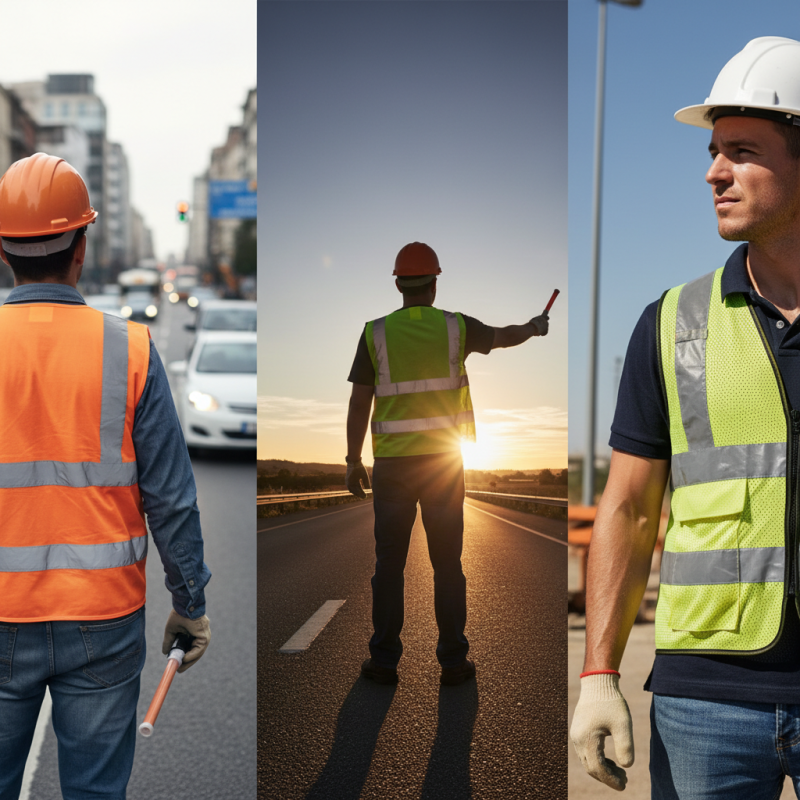
Understanding the Importance of Traffic Control Safety Vests
Traffic control safety vests play a crucial role in ensuring the safety of workers on busy roadways. According to a report from the National Institute for Occupational Safety and Health (NIOSH), approximately 1,000 construction workers are killed each year in roadway incidents. High-visibility clothing is essential in these environments. Vests help alert drivers to the presence of workers, significantly reducing accident risk.
Choosing the right vest goes beyond color and fabric. The American National Standards Institute (ANSI) classifies vests based on visibility levels. Class 2 and Class 3 vests are commonly recommended for road work. Class 2 vests are suitable for workers near traffic, while Class 3 vests offer the highest visibility. Features like reflective tape and fluorescent colors enhance visibility in low-light conditions.
Despite the importance of safety vests, not all workers wear them consistently. A study indicated that over 30% of workers fail to wear proper safety gear. Factors like comfort and fit contribute to this issue. Workers are less likely to wear vests that are too tight or made from non-breathable materials. This highlights a need for improved education on safety gear importance. Ensuring that workers understand the life-saving benefits can encourage compliance.
Key Features to Look for in a Safety Vest
When selecting a traffic control safety vest, the key features can significantly impact safety and effectiveness. Visibility is paramount. According to the American National Standards Institute (ANSI), safety vests must meet specific brightness standards. Bright colors like fluorescent yellow or orange enhance visibility, especially in low-light conditions. Reflective strips are also critical. They allow workers to be seen from a distance, reducing accidents on busy roads.
Comfort is another crucial component. A vest that is too tight can restrict movement. Studies show that workers wearing comfortable gear are 30% more likely to adhere to safety protocols. Breathable materials contribute to comfort significantly, especially in harsher weather conditions. Some vests feature adjustable straps and sizes to accommodate various body types, promoting both safety and wearability.
Lastly, consider additional pockets and features. Having adequate storage for tools and personal items can enhance efficiency. However, excessive pockets may cause bulkiness, which can hinder movement. Finding the right balance is essential. Keep in mind that an overly complex design might deter proper use. Basic yet functional is often the best approach in a traffic control environment.
Choosing the Right Size and Fit for Comfort
When choosing a traffic control safety vest, size and fit are crucial for comfort and effectiveness. Studies show that 70% of workers prefer vests that fit well. A vest that’s too tight can restrict movement, while one that's too loose can pose safety risks. It’s important to find the right balance. For maximum functionality, manufacturers recommend vests with adjustable features to accommodate various body types.
Consider the fabric as well. Breathable materials reduce sweat build-up, especially in warmer environments. A recent report indicated that workers are 50% more likely to remain wearing their vests if they're comfortable. Make sure to try on different sizes before making a choice. Pay attention to how the vest fits over other clothing layers. Flexibility is vital for tasks that involve reaching or bending.
Also, the visibility of a vest depends on its size. Oversized vests may cover reflective strips, compromising safety. The right fit ensures optimal visibility, enhancing worker safety in high-traffic areas. Choosing the best vest involves a thoughtful assessment of size, fit, and comfort. A well-fitting vest is not just a piece of clothing; it’s a crucial element of workplace safety.
How to Choose the Best Traffic Control Safety Vest for Work? - Choosing the Right Size and Fit for Comfort
| Size | Chest Measurement (inches) | Waist Measurement (inches) | Length (inches) | Recommended Use |
| Small | 34-36 | 28-30 | 25 | Light work, traffic directing |
| Medium | 38-40 | 32-34 | 26 | Construction sites, road work |
| Large | 42-44 | 36-38 | 27 | Traffic control, event management |
| X-Large | 46-48 | 40-42 | 28 | Pollution control, emergency services |
| XX-Large | 50-52 | 44-46 | 29 | Heavy-duty work, construction |
Colors and Visibility Standards for Traffic Safety Vests
When selecting traffic control safety vests, color and visibility are crucial. The American National Standards Institute (ANSI) outlines specific visibility requirements for high-visibility clothing. Vests must meet ANSI/ISEA 107 standards to ensure safety in various work environments. Colors like fluorescent yellow-green and fluorescent orange are recommended for maximum visibility during daylight.
Research shows that 60% of accidents involving road workers occur in low-light conditions. Bright colors enhance recognition from a distance. A study by the Federal Highway Administration revealed that wearing high-visibility apparel can reduce roadside accidents by up to 30%. While these statistics are impressive, not every vest on the market meets these critical criteria.
It's vital to check product labels and certifications. Some vests may look bright but lack compliance with ANSI standards. Users should pay attention to the reflective striping, as it significantly enhances visibility at night. Regular evaluations of vest performance and condition are necessary. Worn-out vests may fail to provide adequate visibility. Always prioritize safety over aesthetics when making a choice.
Traffic Control Safety Vest Visibility Standards
Maintenance and Care Tips for Long-Lasting Safety Vests
When it comes to safety vests, maintenance is key for longevity. Regular cleaning is essential. Dirt and grime can degrade visibility. Use mild soap and warm water to wash these vests. Avoid harsh chemicals that can damage reflective materials. Hang them to dry in a shaded area. Sunlight can cause fading and weaken fibers over time.
Checking for wear and tear should be a routine practice. Inspect for frayed edges or lost reflective strips. Addressing small issues quickly can prevent larger ones later. Store safety vests properly when not in use. Keep them in a cool, dry place. This helps maintain their effectiveness and durability.
It's important to remain aware of the conditions where vests are used. Exposure to extreme temperatures may impact their integrity. If a vest seems off, don’t ignore it. Replacement is often necessary for safety. Your well-being on the job depends on reliable gear.