What Is a DIY Solar System and How Does It Work?
A diy solar system lets a homeowner generate electricity from sunlight using panels, an inverter, mounting equipment, and protective wiring. During daylight, photovoltaic cells convert light into direct current, or DC. The inverter changes that DC into alternating current, or AC, for household appliances. Excess power may charge a battery or flow to the grid, depending on the design and local utility rules. Think of panels warming a quiet roof while a meter tracks each changing watt. Simple in theory. Real systems demand careful planning.
Before buying equipment, measure roof space, shading, roof condition, and annual electricity use. A chimney shadow can reduce output more than expected, especially during winter afternoons. Panel orientation, tilt, cable length, and inverter capacity all affect performance. Battery systems add storage, but they also add weight, cost, ventilation, and maintenance considerations. Reliable planning uses manufacturer specifications, electrical calculations, weather data, and realistic production estimates. Online calculators help, yet they can hide local details. That is where confidence should slow down.
A responsible installation follows applicable building, electrical, fire, and interconnection requirements. In many regions, permits, inspections, and utility approval are required. A qualified electrician should verify circuits, grounding, disconnects, and backup behavior before operation. Never assume a disconnected panel is harmless; sunlight can still produce voltage. The best DIY approach may involve research and assembly while licensed professionals handle critical connections. It is not effortless. It is a practical learning project with limits. Understanding those limits helps a solar system work safely, predictably, and for years.
What a DIY Solar System Is and What It Includes
What Is a DIY Solar System and How Does It Work?
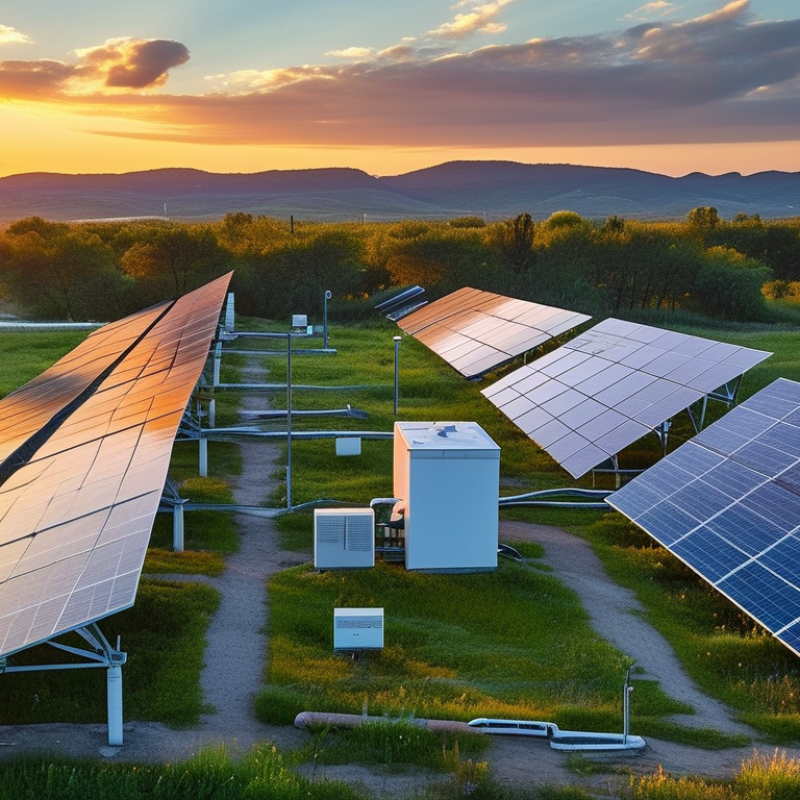
A DIY solar system is a small power setup planned and installed by its owner. It converts sunlight into usable electricity for a home, shed, cabin, or selected appliances. A complete system usually includes solar panels, mounting rails, wiring, fuses, and a charge controller. It may also include batteries and an inverter. The inverter changes direct current into the alternating current used by common household devices. Grid-connected systems can work without batteries. Off-grid systems usually need storage for nighttime use.
The equipment must work as one system. Panel voltage should match the controller and battery specifications. Cable size also matters, especially across long distances. Undersized cables can waste energy and become dangerously warm. A roof inspection should check shade, structural strength, weather exposure, and safe access. Even a small array needs proper grounding and protective disconnects. Local electrical rules may require permits or a professional inspection.
It looks simple. It is not.
A practical design begins with an energy-use record, not a panel purchase. Measure daily consumption from lights, pumps, refrigerators, and chargers. Then compare that demand with local sunlight conditions. Clouds, winter days, and dust can reduce production more than expected. I would leave extra capacity, but not assume batteries solve every problem. Battery placement, ventilation, temperature, and maintenance deserve careful attention. A DIY system can reduce electricity costs, yet poor planning may create expensive repairs or unreliable power.
What Is a DIY Solar System and How Does It Work?
A DIY solar system combines solar panels, a charge controller, a battery, an inverter, wiring, disconnects, and protective equipment. The panels produce DC electricity, the charge controller regulates battery charging, and the inverter converts stored DC power into household AC power.
Estimated Daily AC Energy from a Representative 1.6 kW DIY Solar Array
Estimate based on four 400 W panels and an 80% overall system performance factor. The factor allows for temperature, wiring, charge-controller, battery, and inverter losses. Actual production varies with location, weather, shading, roof angle, and equipment configuration.
Four 400 W panels provide a representative 1.6 kW DC array.
An MPPT controller manages panel voltage and regulates charging into the battery.
A representative 5.12 kWh battery stores solar energy for use after sunset.
A 3 kW inverter can supply AC loads, while disconnects, fuses, grounding, and suitable wiring improve safety.
How Sunlight Becomes Usable Electricity
What Is a DIY Solar System and How Does It Work?
How Sunlight Becomes Usable Electricity
A DIY solar system turns sunlight into electricity through the photovoltaic effect. Photons strike silicon cells and release electrons. This movement creates direct current, or DC power. Solar modules connect in strings, raising the system’s voltage. An inverter then changes DC electricity into alternating current for household appliances.
The process is physical and surprisingly delicate. A shaded cell can reduce output across an entire string. Roof direction, tilt, dust, temperature, and wiring losses also matter. Modern modules commonly exceed 20% efficiency under laboratory or rated conditions, according to the Fraunhofer Institute’s Photovoltaics Report. Real roofs perform differently. Mine would, too.
An inverter manages voltage and synchronizes electricity with the home’s circuits. A battery can store surplus energy for evening use, but storage adds conversion losses and extra equipment. Safety devices help isolate faults and limit electrical risks. Professional inspection remains sensible, even for a self-designed system.
The scale is growing quickly. IRENA’s Renewable Capacity Statistics 2024 recorded about 1.4 terawatts of global solar capacity by the end of 2023. That figure reflects large projects and smaller installations. It does not guarantee equal performance everywhere. A 5-kilowatt array may produce far less than 5 kilowatts during winter clouds or morning shade. Production estimates should be treated as informed forecasts, not promises.
Key Components and Their Roles in the System
What Is a DIY Solar System and How Does It Work?
A DIY solar system converts sunlight into usable electricity through several connected components. Solar panels contain photovoltaic cells that produce direct current when sunlight reaches their surface. Their output changes with shade, temperature, roof direction, and seasonal weather. A panel can look productive at noon but perform poorly under a nearby tree.
The inverter is the system’s translator. It changes direct current into alternating current for household appliances. In a battery-based system, a charge controller regulates energy flowing into the battery. This protects the battery from excessive charging and improves its service life. The battery stores unused solar power for evenings, cloudy periods, or short outages. Not every system needs one. Grid-connected designs may send surplus electricity to the utility network instead.
Mounting rails keep panels stable against wind and rain. Correct spacing also allows airflow beneath the panels, which can reduce heat-related losses. Cables, connectors, fuses, and disconnect switches control and protect the electrical path. A monitoring device displays production, battery levels, and faults. That information matters. Without it, a silent wiring problem may go unnoticed for weeks.
A reliable design begins with an energy-use record, not panel shopping. Check daily loads, roof shade, local weather, and equipment ratings. I would also leave room for mistakes, because real homes rarely match a perfect diagram. Electrical work can be hazardous, and local inspection requirements vary. A qualified electrician should review final connections, especially when the system connects to household wiring or the utility grid.
Steps for Planning and Installing a DIY Solar Setup
A DIY solar system turns sunlight into electricity for household use. Planning starts with your real energy needs, not the largest panel area available. Review twelve months of utility bills and note seasonal changes. A home may use more power during cloudy winters or hot summers. List major loads, such as refrigerators, pumps, heaters, and workshop tools. My first estimate might be too optimistic.
Inspect the roof, balcony, or ground area for shade, damage, and safe access. A small shadow can reduce production across several connected panels. Measure the usable space and check its direction and angle. Then choose the system type: grid-connected, battery-based, or hybrid. Each option needs different equipment, wiring, protection, and operating procedures. Keep a paper trail. Record measurements, expected output, cable lengths, and equipment ratings. A qualified electrician should review the design, especially near the main service panel.
Installation requires careful mounting, weatherproof cable routes, grounding, and clearly labeled disconnects. Follow local permits, electrical rules, and inspection requirements before energizing the system. Never work on live circuits or climb an unstable roof. After installation, test voltage, polarity, grounding, and battery settings with suitable instruments. Compare actual production with your estimate for several weeks. If output is lower, inspect shading, loose connections, dirt, and unusual weather before changing the design. DIY work can reduce costs, but rushed installation creates expensive problems. One missed detail matters.
What Is a DIY Solar System and How Does It Work? — Planning and Installation Guide
| Planning or System Dimension | What It Means | Typical Data or Practical Guideline | Why It Matters for a DIY Setup |
|---|---|---|---|
| Solar Energy Conversion | Photovoltaic panels convert sunlight directly into direct-current electricity. | Solar cells produce electricity when photons release electrons in a semiconductor material. Panel output varies with sunlight, temperature, shading, and orientation. | This is the first stage of the system and determines how much energy can be produced during daylight hours. |
| Inverter Function | An inverter changes the panels' direct-current output into alternating current for household loads. | Most household appliances use alternating current. Grid-connected systems also require equipment that synchronizes safely with the utility grid. | The inverter must be correctly sized, compatible with the array, and installed according to electrical safety requirements. |
| System Types | A DIY solar system may be grid-tied, off-grid, or hybrid. | Grid-tied systems use the utility as backup; off-grid systems require batteries and often a backup generator; hybrid systems combine solar, batteries, and grid power. | Choosing the correct type affects equipment, cost, permitting, backup capability, and installation complexity. |
| Energy Audit | An energy audit estimates how much electricity the home uses and when it uses it. | Review at least 12 months of utility bills and identify high-use loads such as heating, cooling, water heating, and electric vehicles. | Accurate consumption data prevents undersizing or purchasing more equipment than necessary. |
| Solar Resource | Solar resource describes the amount of usable sunlight available at the installation site. | A commonly used planning estimate is peak sun hours per day. Actual values vary substantially by location, season, weather, and shading. | Production estimates should use local solar data rather than assuming that every site receives the same sunlight. |
| Basic Array Sizing | Array size is the total rated power of all solar panels. | Approximate array size: daily energy demand ÷ (daily peak sun hours × system efficiency). A planning efficiency factor of about 0.70–0.85 may be used to account for losses. | This provides an initial estimate only. Final sizing should include seasonal demand, local solar conditions, roof space, and utility requirements. |
| Example Sizing Calculation | A sample calculation illustrates how energy demand translates into panel capacity. | For 24 kWh per day, 4.5 peak sun hours, and an 80% overall efficiency factor: 24 ÷ (4.5 × 0.80) ≈ 6.7 kW of solar capacity. | The result is a planning estimate, not a guarantee of daily production. Winter output and unusual weather may require additional capacity or grid support. |
| Panel Configuration | Panels are connected in series, parallel, or a combination of both. | Series connections increase voltage; parallel connections increase current. The final configuration must remain within the inverter's voltage and current limits. | Incorrect string design can reduce production, damage equipment, or create unsafe operating conditions. |
| Roof Orientation | Orientation affects the amount and timing of sunlight received by the panels. | In the Northern Hemisphere, south-facing surfaces often provide strong annual production, while east- or west-facing surfaces can also work well depending on energy-use patterns. | Orientation should be evaluated together with roof pitch, shading, local climate, and structural condition. |
| Shading Assessment | Shadows from trees, chimneys, nearby buildings, and roof features can reduce output. | Even partial shading can affect a series-connected string. Shade patterns should be checked throughout the day and across different seasons. | Removing obstructions, changing panel placement, or using module-level power electronics may improve system performance. |
| Roof and Structural Review | The roof must support the added equipment and provide a suitable mounting surface. | Check roof age, materials, load capacity, attachment points, water-sealing details, and access for maintenance before installation. | A structurally unsuitable or damaged roof can create safety hazards and make future repairs more difficult. |
| Battery Storage | Batteries store excess solar energy for later use or backup power. | Usable battery capacity depends on nominal capacity, permitted depth of discharge, efficiency, temperature, and battery-management limits. | Battery sizing should be based on critical loads, desired backup duration, and whether the system must operate during a grid outage. |
| Battery Sizing Example | A simple estimate can be made from critical-load energy and desired backup time. | For 5 kWh of critical loads per day and one day of backup, a battery may need more than 5 kWh of nominal capacity after allowing for reserve and conversion losses. | Actual sizing must follow the battery manufacturer's operating limits and the inverter's compatibility requirements. |
| Charge Controller | In off-grid systems, a charge controller regulates energy flowing from the panels to the batteries. | Common controller types include PWM and MPPT. MPPT controllers generally extract more energy when panel voltage is higher than battery voltage. | The controller must be rated for the array's maximum voltage, current, battery chemistry, and environmental conditions. |
| Electrical Protection | Protection devices help limit damage from overcurrent, short circuits, surges, and equipment faults. | Depending on system design, protection may include fuses, circuit breakers, disconnects, grounding, bonding, and surge protection. | Protection must be selected and installed according to applicable electrical codes and equipment instructions. |
| Permits and Interconnection | Grid-connected installations commonly require approvals before operation. | Requirements may include building permits, electrical permits, inspections, utility interconnection approval, and permission to operate. | Rules vary by location. A system should not be connected to the utility grid without required approval and inspection. |
| Installation Sequence | A typical installation follows a planned order from site preparation to commissioning. | Common steps are: inspect the site, prepare the design, obtain approvals, install mounts, install panels, complete wiring, install inverter and protection equipment, inspect, and test. | A documented sequence reduces installation errors and makes inspection and troubleshooting easier. |
| Energy Production Estimate | Annual production depends on system capacity and local solar conditions. | Approximate annual energy: system capacity × annual peak sun hours × performance factor. A performance factor often falls below 1.0 because of temperature, wiring, inverter, soiling, and shading losses. | Production estimates should be conservative and based on local irradiance data rather than panel wattage alone. |
| Maintenance | Solar systems generally require limited routine maintenance but should still be monitored. | Inspect for visible damage, loose mounting hardware, corrosion, unusual inverter alerts, vegetation growth, and excessive dirt. Cleaning frequency depends on local conditions. | Monitoring helps identify production declines and electrical faults before they become larger problems. |
| DIY Safety Boundary | Solar equipment can involve roof hazards, high direct-current voltage, batteries, and utility-connected circuits. | Use appropriate fall protection, disconnect power before servicing, follow equipment manuals, and consult a qualified electrician for unfamiliar or code-regulated work. | DIY planning can reduce costs, but electrical, structural, permitting, and grid-interconnection requirements must not be bypassed. |
Planning note: The figures and formulas above are general engineering estimates. Final system design must be based on local solar conditions, applicable electrical and building codes, equipment specifications, roof structure, and utility requirements.
Safety Checks, Maintenance, and System Performance
A DIY solar system combines solar panels, an inverter, wiring, mounting hardware, and often batteries. Safety checks should begin before installation. Inspect roof strength, cable insulation, connectors, grounding, and weather sealing.
Never handle exposed conductors in wet conditions. A small mistake can create an arc fault or electric shock. Use a qualified electrician for final connections and commissioning.
Performance depends on sunlight, temperature, shading, and system losses. The National Renewable Energy Laboratory’s PVWatts documentation uses a default total loss estimate of about 14%. That figure includes soiling, wiring, mismatch, and inverter losses. Actual results can differ.
A nearby chimney may shade only one panel, yet reduce output during several morning hours. The International Energy Agency’s Photovoltaic Power Systems Programme reports that module degradation commonly remains below 1% annually, though field conditions vary. Measure monthly energy, not just one sunny afternoon.
Maintenance is simple but not meaningless. Check the inverter display, battery temperature, mounting bolts, and visible cable damage every few months. Remove heavy dust only when panels are cool, using clean water and a soft brush. Avoid walking on modules. Keep leaves away from roof drains.
My own imagined checklist would still miss hidden connector damage; visual inspection cannot prove electrical safety. Record meter readings, weather, and unusual noises. A sudden output drop deserves professional testing, especially after storms, heatwaves, or construction nearby.
Related Posts
-
What is a solar power system and how does it work?
-
China Top 10 PV Panels Manufacturers for Global Buyers?
-
How to Choose a Solar Panel Kit for Your Home in 2026?
-
How to Choose the Best Solar Panel Kit for Your Home?
-
2026 Best Full Solar Panel System Options for Your Home and Business?
-
Top Tips for Choosing the Best Residential Solar Systems?