What is an Electrical Wall Outlet and How to Choose One?
Electrical Wall Outlets play a vital role in our daily lives. They are the gateway to power for countless devices. According to the National Electrical Manufacturers Association (NEMA), there are over a billion electrical outlets used in American homes alone. These outlets provide access to electricity, an essential resource that powers our modern world.
When choosing an electrical wall outlet, it is crucial to consider both functionality and safety. Experts recommend using outlets with built-in safety features, such as ground fault circuit interrupters (GFCIs), especially in wet areas. A report by the Electrical Safety Foundation International notes that GFCIs significantly reduce the risk of electrical shock. However, many homes still lack these essential safety measures.
Additionally, outlet placement and type can impact usability. Standard outlets may not meet the demands of power-hungry devices. The rise of smart home technology emphasizes the need for outlets that can accommodate these innovations. Recognizing the importance of selecting the right electrical wall outlet helps ensure safety and efficiency in our living spaces.
What is an Electrical Wall Outlet? Overview of Types and Functions
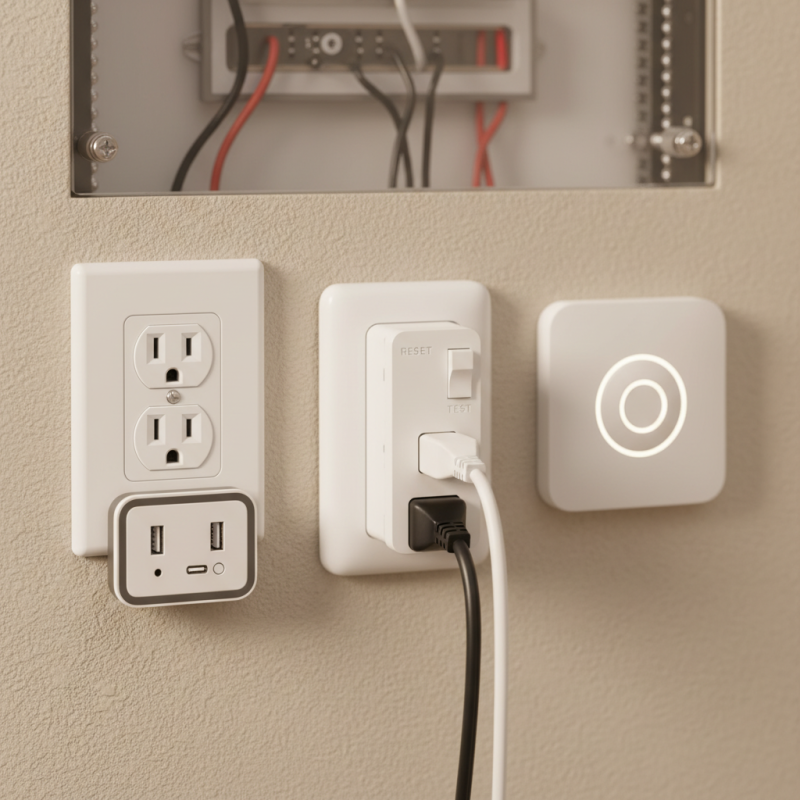
An electrical wall outlet is a crucial component of any building's electrical system. It provides a point for connecting devices and appliances to the power supply. There are various types of outlets, each designed for specific needs. Standard outlets are common in homes. They typically have two slots for plugs, accommodating most everyday devices.
In addition to standard options, specialized outlets exist. Ground Fault Circuit Interrupter (GFCI) outlets are essential in wet areas like kitchens and bathrooms. They protect against electrical shocks by shutting off power when they detect a ground fault. Another type is the USB outlet. It simplifies charging mobile devices by eliminating the need for adapters. Choosing the right outlet involves understanding your usage needs and safety requirements. Consider the environment and devices you plan to connect.
While navigating outlet options, some details can be overlooked. Not all outlets handle high power loads, which can lead to issues. It’s important to recognize that improper installation can cause hazards. For safety and efficiency, consult a professional electrician if in doubt. A well-chosen outlet enhances your home’s safety and functionality.
Understanding Voltage Ratings: Standard Levels for Residential Outlets
When choosing an electrical wall outlet, understanding voltage ratings is crucial. Residential outlets typically operate at standard voltages of 120V or 240V. The most common is the 120V outlet, found in most homes. This voltage is suitable for everyday appliances and devices, such as lamps, televisions, and computers.
On the other hand, 240V outlets are often used for high-energy appliances. Examples include dryers, ovens, and HVAC systems. Selecting the right voltage is critical to prevent damage to your devices. If you mistakenly plug a 120V device into a 240V outlet, it could result in overheating or even fire.
Voltage ratings also indicate the outlet’s amperage. Standard household outlets are generally rated for 15 or 20 amps. This is important for safety. It’s worth noting that assessing your specific needs might be challenging. Always consult a professional if you're uncertain. Electrical work can be complex. Ensuring you have the correct outlet can save you from future headaches.
What is an Electrical Wall Outlet and How to Choose One? - Understanding Voltage Ratings: Standard Levels for Residential Outlets
| Outlet Type | Voltage Rating (V) | Current Rating (A) | Common Uses |
| Standard Outlet | 120 | 15 or 20 | General household appliances, lamps |
| GFCI Outlet | 120 | 15 or 20 | Wet areas (bathrooms, kitchens) |
| Duo/Combination Outlet | 120 | 15 or 20 | USB charging as well as regular outlet |
| 240-volt Outlet | 240 | 30 | Heavy-duty appliances (dryers, ranges) |
| Smart Outlet | 120 | 15 or 20 | Programmable and remote control access |
Selecting Outlets: Key Features for Safety and Efficiency
When selecting electrical wall outlets, safety and efficiency should be top priorities. According to the Nationalelectrical Manufacturers Association (NEMA), over 10,000 electrical fires occur annually due to faulty outlets. Ensuring that your outlet features quality materials can significantly reduce this risk. Look for outlets built with fire-resistant components and those rated for specific amperage. Standard 15-amp outlets are common, but consider 20-amp models for high-demand electronics.
In addition to safety features, efficiency is critical. Energy-efficient outlets can help in reducing energy usage by up to 15%, as highlighted in a report by the U.S. Department of Energy. Automatic shut-off features can prevent wasted energy when devices are not in use. Furthermore, tamper-resistant outlets add an extra layer of safety. They prevent objects from being inserted, making them essential in homes with children.
However, selecting outlets can sometimes be overwhelming. Recommendations often vary, and not all homes are equipped for the same outlet types. Evaluating the home's wiring and appliance needs is crucial. It's advisable to consult a qualified electrician for installations. This choice ensures compliance with local codes and improves the overall safety of the electrical system.
How to Assess the Material Quality of Electrical Outlets
When assessing the material quality of electrical wall outlets, it’s vital to consider their safety and durability. High-quality outlets often use thermoplastic materials. These materials can withstand heat better, reducing the risk of failure. According to industry reports, over 50% of electrical failures in households are tied to substandard outlet materials.
Additionally, a reputable study found that outlets made from polycarbonate can endure more stress. These outlets are less likely to break under pressure or heat. Opting for certified electrical components can enhance safety and longevity. Reliable outlets typically conform to stringent safety standards set by organizations like UL (Underwriters Laboratories). This adherence to guidelines ensures that the material used does not pose any fire hazards.
It's also important to consider the installation environment. Wet or humid areas require outlets with improved weatherproofing. A common oversight occurs when consumers neglect local building codes, choosing outlets that don’t meet specific requirements. This could lead to potential hazards over time. Understanding the material composition and adhering to applicable standards can significantly impact the overall performance of electrical outlets. In the end, careful selection paid off in both safety and functionality.
Installation Considerations: Compliance with Electrical Codes and Standards
When selecting an electrical wall outlet, understanding compliance with electrical codes is essential. These standards exist to promote safety and efficiency. Each region has specific electrical codes. Knowing these rules helps in making the right choices.
Consider the installation location. Outlets in kitchens and bathrooms often have stricter requirements. GFCI (Ground Fault Circuit Interrupter) outlets are necessary in these areas. They prevent electrical shocks. Choosing the correct outlet type ensures your home is safe.
Also, be mindful of the amperage needed. Typical outlets handle 15 or 20 amperes. Certain appliances may require a higher amperage outlet. This can lead to potential hazards if not adhered to correctly. Inspecting the existing wiring is crucial, too. It helps in avoiding issues during installation. Always consult a professional to ensure everything meets local codes. This can save time and reduce risks in the long run.