What is H2O2 Production Line and How to Optimize It?
The H2O2 production line represents a critical component in various industries, including textiles, paper, water treatment, and food processing. According to the latest market data, the global hydrogen peroxide market is projected to reach approximately $8 billion by 2027, driven by increasing demand for eco-friendly bleaching agents and disinfectants. This surge highlights the importance of optimizing H2O2 production lines to increase efficiency and reduce costs.
Production lines for hydrogen peroxide often face challenges, including high energy consumption and waste generation. Studies reveal that optimizing these processes can reduce energy usage by as much as 20%, leading to significant cost savings. Implementing advanced technologies, such as membrane technology and vapor phase oxidation, can enhance yield and lower emissions. However, many facilities still grapple with integrating these innovations effectively.
Moreover, companies must remain vigilant regarding operational factors. Regular maintenance and training for staff are essential for optimal performance. Industry experts emphasize the need for continuous improvement and adaptability. Reflecting on the current practices reveals areas for enhancement. The push for sustainability in H2O2 production requires ongoing evaluation and refinement of techniques. Investing in knowledge and technology is crucial for staying competitive in this evolving market.
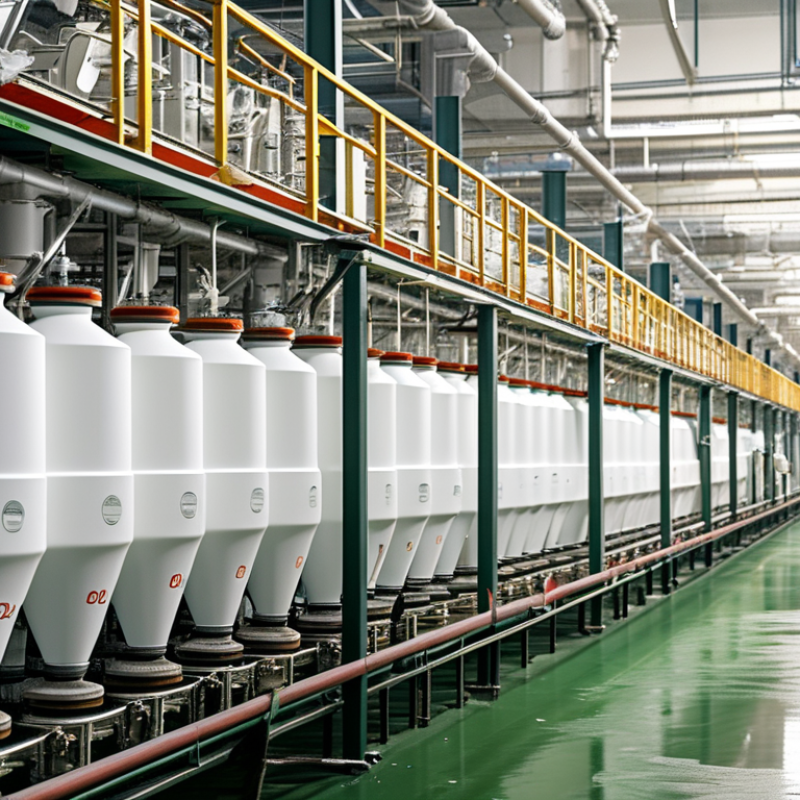
What is a Hydrogen Peroxide (H2O2) Production Line?
Hydrogen peroxide (H2O2) production lines are vital to various industries. They serve sectors ranging from textiles to environmental control. According to a 2022 market report, the H2O2 production market is projected to reach $9 billion by 2028, growing at a CAGR of 5% annually. This significant growth stems from the compound's versatility. It's used as a bleaching agent, disinfectant, and in wastewater treatment.
The production process involves several key steps: synthesis, purification, and packaging. Synthesis typically utilizes the anthraquinone process. This method recycles materials efficiently but can pose challenges. Process efficiency can fluctuate due to equipment wear and impurities. Maintaining quality requires constant monitoring. For instance, the concentration of H2O2 must remain consistent to ensure effectiveness.
Optimizing production lines is essential. Companies often overlook maintenance schedules, leading to unexpected downtimes. Implementing predictive maintenance can reduce these risks. Additionally, energy consumption is a concern. Reports indicate that optimizing energy use in production can cut costs by about 15%. Each production facility must analyze its workflow and identify specific areas needing improvement. Balancing yield and quality is crucial yet often neglected in the drive for increased production.
Key Components of H2O2 Production Equipment
The H2O2 production line relies on key components that ensure efficiency and safety. The primary equipment includes reactors, separators, and storage tanks. Reactors initiate the synthesis of hydrogen peroxide, where careful temperature control is critical. These reactors must be made from materials resistant to corrosion due to the chemical's reactive nature.
Separators play a crucial role in purifying the product. They remove unreacted materials and by-products. The choice of separator design affects the overall yield. Inadequate separation can lead to impurities, impacting product quality. This highlights the importance of consistent monitoring and maintenance. Storage tanks must comply with safety regulations. They should be designed to prevent leaks and withstand pressure. Additionally, the layout of the production line can significantly enhance workflow efficiency. A poorly organized workspace often leads to
delays and increased operation costs. Regular audits can identify bottlenecks, fostering continuous improvement. Efficiency in H2O2 production is not just about technology; it also requires strategic planning and meticulous execution.
Processes Involved in H2O2 Manufacturing
H2O2 (hydrogen peroxide) is produced through several key processes. The primary method is the anthraquinone process. This technique involves the hydrogenation of an anthraquinone compound, followed by the oxidation of the resulting anthrahydroquinone. The cycle is efficient, producing high-purity hydrogen peroxide.
Another important aspect is the process parameters. Factors such as temperature, pressure, and pH levels must be carefully controlled. Each factor can significantly impact yield and quality. For instance, too high a pressure might lead to unwanted side reactions. It’s crucial to maintain balance in these variables to optimize production.
The purification stage is equally vital. During this phase, impurities can reduce the effectiveness of H2O2 in applications. Therefore, employing advanced separation techniques is necessary. While these methods improve purity, they can also complicate the process. Operators must continually assess if the added complexity justifies the benefits. Optimization requires a detailed understanding of both the production and purification stages. Continuous evaluation helps refine these processes further.
H2O2 Production Line Optimization
This chart illustrates the key processes involved in H2O2 manufacturing and their respective efficiencies. The data highlights how optimization in each process can lead to increased overall efficiency in hydrogen peroxide production.
Strategies for Optimizing H2O2 Production Efficiency
Hydrogen peroxide (H2O2) production lines require precise optimization strategies to enhance efficiency. One often overlooked aspect is raw material quality. The purity of chemicals used significantly impacts the final product. Regular assessments can help in identifying any impurities that may hinder production.
Equipment maintenance is another critical area. Routine inspections and timely repairs can prevent unexpected downtimes. For instance, small leaks or calibration issues may go unnoticed but can lead to larger inefficiencies. Training operators on equipment handling can also be beneficial. Knowledgeable staff can spot issues early, reducing the potential for waste.
Process automation offers considerable advantages. It can streamline operations and reduce human error. However, implementing automation requires careful planning. A poorly designed system may create bottlenecks instead of resolving them. Continuous feedback loops are valuable. They allow for real-time adjustments based on production data. This approach is not foolproof but can lead to significant improvements over time.
What is H2O2 Production Line and How to Optimize It? - Strategies for Optimizing H2O2 Production Efficiency
| Parameter | Value/Description |
| Production Capacity | 1000 tons/year |
| Current Efficiency | 85% |
| Optimized Efficiency Goal | 90% |
| Raw Material Cost | $200/ton |
| Operational Expenditure | $50,000/month |
| Key Optimization Strategy | Process Automation |
| Monitoring Technology | IoT Sensors |
| Annual Production Cost | $1,200,000 |
| Energy Consumption | 400 MWh/year |
| Expected ROI | 15% |
Safety and Environmental Considerations in H2O2 Production
Hydrogen peroxide (H2O2) production involves significant safety and environmental considerations. The compound is a strong oxidizer, and its production process must manage risks related to flammability and toxicity. In 2022, the global hydrogen peroxide market was valued at approximately $5.8 billion, highlighting its importance in various industries, including pulp and paper, textiles, and pharmaceuticals. According to industry reports, nearly 85%of H2o2 Production Plants are built with advanced safety protocols to mitigate these risks.
Effective risk management strategies include proper ventilation and leakage detection systems. Research indicates that uncontained H2O2 can lead to serious environmental harm, including aquatic toxicity. Striving for zero accidents is crucial. In a recent analysis, approximately 30% of facilities reported safety incidents in their first five years of operation. This statistic underscores the need for continuous training and rigorous safety audits.
Environmental regulations also play a crucial role in H2O2 production. Facilities must comply with strict emissions standards. A 2021 study noted that H2O2 production processes could reduce greenhouse gas emissions by up to 25% when optimized. However, challenges remain. Many plants still rely on older technologies that can result in significant waste. Optimization is essential not only for efficiency but also for sustainable production practices that comply with global standards.