10 Tips to Get Solar Panels Installed Easily and Affordably?
Installing solar panels can seem overwhelming, but it doesn't have to be. Many homeowners want to get solar panels but don't know where to start. The process might seem complicated, but with the right tips, it can be simple and affordable.
Solar energy is an excellent way to save on energy bills and reduce your carbon footprint. To effectively get solar panels installed, you need to consider several aspects. Research local regulations, incentives, and reliable contractors. Gathering this information can make your journey smoother.
Understanding your energy needs is also crucial. You should assess how much power you consume. This knowledge helps you choose the right system for your home. Plan your budget wisely. While solar panels can save money, initial costs may discourage you. Remember, it’s essential to reflect on what works for your situation. With thoughtful planning, getting solar panels can transform your energy efficiency and enhance your home's value.

Understanding Solar Panel Installation Basics
Understanding Solar Panel Installation Basics is essential for homeowners. The process involves planning, choosing the right technology, and compliance with regulations. According to the National Renewable Energy Laboratory (NREL), the average cost of solar panel installation fell by over 70% from 2010 to 2020. However, navigating this journey can still be daunting.
Tip 1: Assess your roof's condition before installation. An inspections reveals potential issues, such as leaks or structural weaknesses. Solar panels require a sturdy foundation to function effectively.
Tip 2: Research financing options. Consider loans, tax credits, or leasing arrangements. The solar investment tax credit (ITC) allows you to deduct 26% of installation costs from your federal taxes. Consulting a local expert can clarify the best options for your situation.
The installation process also varies. It can take a few days to multiple weeks. Delays might arise due to weather or permit approval. Understanding the timeline helps manage expectations. Choose a contractor with experience and good reviews to avoid common pitfalls.
Assessing Your Home's Suitability for Solar Panels
Assessing your home's suitability for solar panels is a crucial step. Start by evaluating your roof. Check its orientation and angle.
South-facing roofs typically receive the most sunlight. If your roof is too shaded by trees or buildings, solar panels might not be effective.
Next, consider your energy consumption. Analyze your electricity bills over the past year. Knowing your energy needs helps determine the system size required. Higher energy usage means larger solar setups, which can impact costs.
One tip is to consult with a professional. They can assess your home's specifics. This includes roof condition and local regulations. Another tip is to research local incentives. Many states offer tax credits or rebates for solar installations. Understanding these options can greatly affect overall costs. When you plan ahead, you avoid unexpected expenses.
Keep in mind that some installations might not be suitable for all homes. Older roofs may need repairs before installation. This can add to the cost and time. Assessing your home’s unique features is essential for a smooth installation process. Adjusting plans based on these factors can lead to more successful solar adoption.
Researching Financial Incentives and Tax Credits
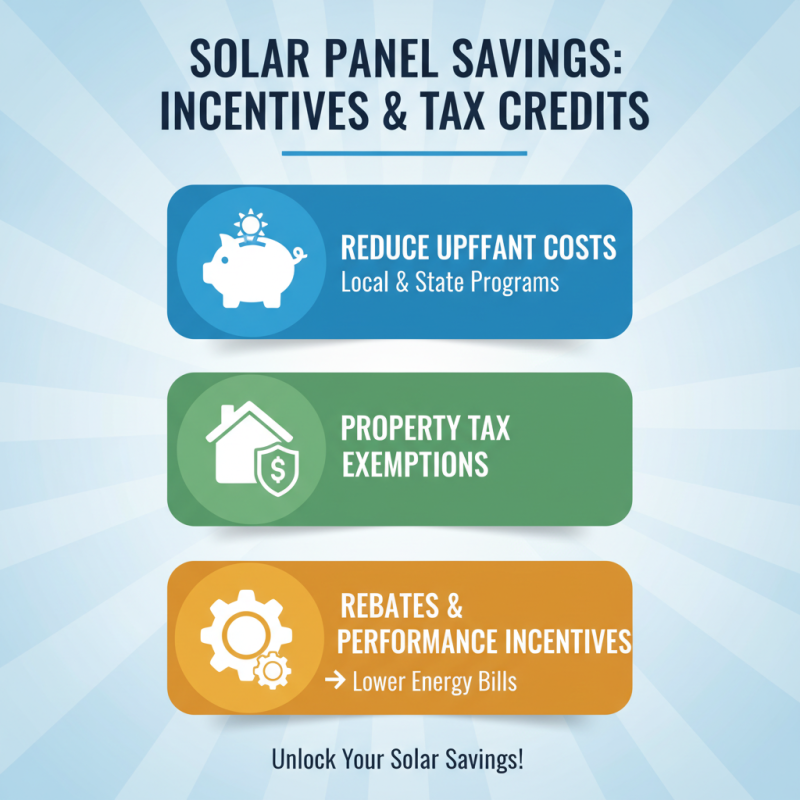
When considering solar panel installation, one vital step is researching financial incentives and tax credits available in your area. Many local governments and states provide programs to help reduce initial costs. These might include rebates, property tax exemptions, or performance-based incentives.
Tax credits can significantly lower your overall expenses. In the United States, the federal solar tax credit allows you to deduct a portion of your installation costs from your federal taxes. This can amount to thousands of dollars, especially with the recent extensions. However, not all states offer the same benefits. Researching local policies is crucial.
Take the time to understand the application process for these incentives. Some might require specific documentation, which could delay your installation. It's easy to miss essential details that could save you money. Check eligibility criteria carefully. Each program has different requirements. Mistakes in paperwork can lead to missed opportunities for savings. Always verify your findings with official resources to ensure you have the most accurate information.
Choosing the Right Solar Installation Company
Choosing the right solar installation company is key to a smooth experience. Research shows that nearly 70% of customers value a company’s reputation when selecting a solar provider. Look for reviews and ratings from past clients. Check platforms like Better Business Bureau or Trustpilot to get a clearer picture.
Another important tip is to ask about certifications. A qualified installer should have relevant licenses and certifications. According to industry data, companies with certifications are 50% more likely to provide high-quality service. Ensure the company has experience in your local climate and conditions.
Don’t ignore transparency in pricing. Companies should provide a clear breakdown of costs, including installation and maintenance fees. While it’s tempting to go for the cheapest option, this choice might come at the expense of quality. Always consider warranties and after-sales support. Gathering multiple quotes can help you identify fair pricing and reliable services. Taking your time in this process will lead to a more satisfying solar adoption.
Planning for Maintenance and Long-term Savings
Planning for maintenance is crucial when installing solar panels. According to the Solar Energy Industries Association (SEIA), solar panel systems can last 25 years or more with proper care. Regular maintenance ensures efficiency, maximizing your long-term savings. Cleaning panels, inspecting wiring, and monitoring production can help you catch issues early. Neglecting these tasks could lead to decreased energy output.
Consider financing options. Some reports indicate that homeowners can save 50% on energy bills after installation. There are incentives, rebates, and tax credits. Research local policies to maximize your savings. Installing panels can be less expensive than anticipated.
Choosing a reliable installer makes a difference. Look for contractors with solid experience and positive reviews. A trusted expert can guide you through the process. Always get multiple quotes to compare options and avoid overpriced services. Sometimes, price might seem appealing but may compromise quality. Prioritize long-term value over immediate savings.
10 Tips to Get Solar Panels Installed Easily and Affordably
| Tip |
Description |
Estimated Cost ($) |
Potential Savings Over 20 Years ($) |
Maintenance Tip |
| Research Local Incentives |
Check for rebates and tax credits available for solar installations in your area. |
0 - 1000 |
Up to 15,000 |
Keep panels clean for maximum efficiency. |
| Get Multiple Quotes |
Request quotes from several installers to compare pricing and services. |
2500 - 7500 |
Up to 20,000 |
Schedule an annual professional inspection. |
| Consider Financing Options |
Look into loans or leasing options that fit your budget. |
0 - 20000 |
Up to 25,000 |
Monitor system performance reports regularly. |
| Choose the Right Location |
Determine the best sun exposure on your property for installation. |
0 - 500 |
Up to 30,000 |
Trim nearby trees or bushes as needed. |
| Understand Your Energy Needs |
Calculate your household energy consumption to size the system appropriately. |
0 - 30000 |
Up to 35,000 |
Adjust your usage during peak hours if possible. |