China Top Solar Power for Home Manufacturers?
Choosing reliable China solar power for home manufacturers requires more than comparing panel prices. A dependable supplier should demonstrate engineering experience, stable production, and transparent product documentation. Factory audits, third-party testing, and verifiable customer references can reveal more than promotional claims. Look for manufacturers offering complete systems, including panels, inverters, batteries, mounting structures, and monitoring tools.
Practical details matter. A suitable system should match household electricity use, roof direction, local weather, and available installation space. For example, a family using 12 kilowatt-hours daily may need a different configuration from a home with electric heating. Battery capacity also affects nighttime performance and backup expectations. Ask about efficiency ratings, degradation rates, warranty conditions, spare parts, and technical support before signing an agreement. Clear answers build trust.
Strong manufacturers usually explain applicable certifications and testing standards without hiding limitations. They should also provide installation guides, wiring diagrams, remote monitoring, and responsive after-sales service. Shipping experience matters when equipment crosses borders, especially for fragile modules and heavy batteries. Still, no supplier is perfect. Warranty language can be vague, and advertised performance may depend on ideal conditions. Careful verification remains necessary. This guide examines leading Chinese manufacturers through product quality, customization, safety practices, production capability, and long-term service. The goal is practical judgment, not an effortless ranking. Performance should be measured in real homes, across changing seasons. Reliability takes time.
What Defines a Leading Chinese Home Solar Power Manufacturer
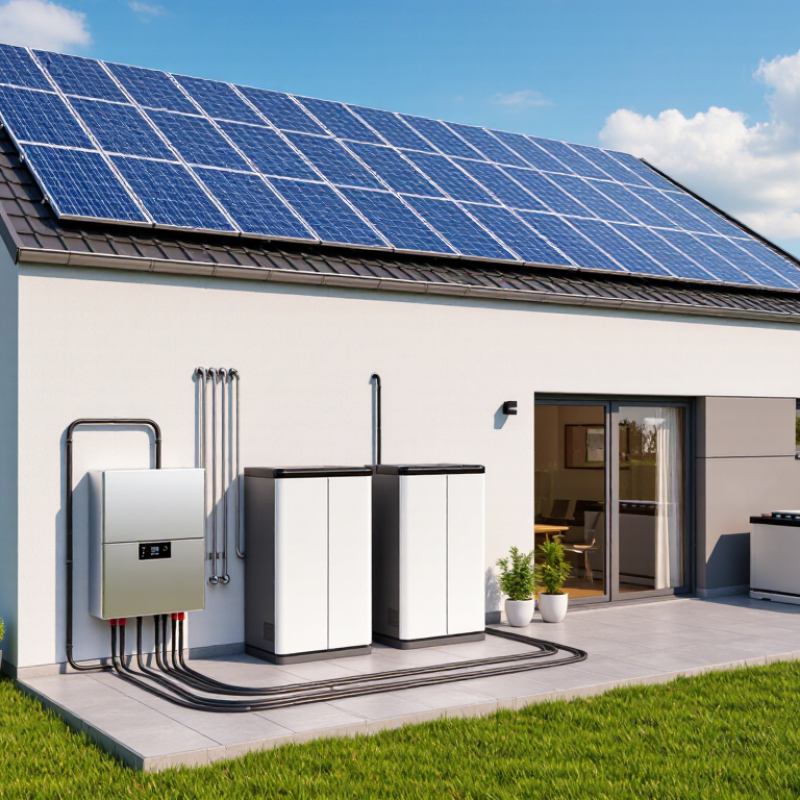
A leading Chinese home solar power manufacturer is not defined by factory size alone. It is defined by consistent engineering, transparent testing, and dependable support after installation. Experienced manufacturers design complete systems, including panels, inverters, batteries, monitoring software, and protection devices. Each part should work together under real household conditions.
Details matter. A reliable manufacturer publishes measurable data for efficiency, temperature range, battery cycles, noise, and weather resistance. Independent certifications can support these claims, but buyers should check current documents carefully. Factory quality control also matters. Inspectors should test connectors, insulation, battery cells, and software communication before shipment. Small faults can become expensive service calls.
After-sales support often separates a serious manufacturer from a temporary supplier. Clear warranties, replacement procedures, remote diagnostics, and accessible technical training help installers respond quickly. Spare parts should remain available for years, not only during the first sales season. I would also examine installation feedback from different climates, because performance in a dry northern region may differ from coastal humidity. No manufacturer gets every detail right. A stronger one admits limitations, records field failures, and improves its designs instead of hiding them. That attitude builds trust more effectively than impressive production numbers.
Leading home solar power manufacturers are typically evaluated by measurable product characteristics rather than brand visibility. The chart shows representative market ranges for residential solar equipment: module efficiency, system size, battery capacity, product warranty, and module power output. Actual specifications vary by market, technology, and product generation.
Reference basis: publicly available residential solar market and product specification ranges from the U.S. Department of Energy, EnergySage, and major certification standards.
How Chinese Manufacturers Design Residential Solar Power Systems
China’s residential solar manufacturers increasingly design systems around household behavior, not only panel output. IEA PVPS reported that global photovoltaic capacity exceeded 1.6 terawatts by the end of 2023. This scale has pushed Chinese engineers toward modular designs, faster installation, and tighter quality controls.
A typical system begins with a measured load profile. Engineers review air-conditioner use, water-heater demand, and evening consumption. They then size the inverter, battery, and rooftop array together. A 5-kilowatt system may use south-facing modules, a hybrid inverter, and 10 kilowatt-hours of storage. The goal is not maximum generation. It is better energy matching.
Local grid rules also shape the design. Chinese manufacturers test anti-islanding protection, voltage response, and communication functions before shipment. The IEA’s Renewables 2024 report expects solar power to remain the fastest-growing renewable technology through 2030. That growth increases pressure for safer and more repairable equipment.
Real homes are less predictable. A family may add an electric vehicle later, making today’s battery undersized. Roof shading can also reduce output more than a brochure suggests. Manufacturers therefore use monitoring platforms and expandable battery cabinets. The design is practical, but not perfect. Field data still matters. According to the National Energy Administration, China added substantial distributed photovoltaic capacity in 2023, showing strong household interest and a need for disciplined installation standards.
| Design Dimension | Typical Residential Range | How the System Is Designed | Key Factors Affecting the Final Selection |
|---|---|---|---|
| System Configuration | Grid-connected, hybrid, or off-grid | Grid-connected systems prioritize electricity savings and export surplus power. Hybrid systems add batteries for backup and energy shifting. Off-grid systems require larger battery capacity and often an auxiliary generator. | Grid reliability, export regulations, backup requirements, household energy profile, and project budget |
| Photovoltaic Array Size | Approximately 3–15 kWp for many homes | The array is sized according to annual electricity consumption, usable roof area, local solar irradiation, and the preferred level of energy independence. | Annual electricity demand, roof orientation, shading, local solar resource, and available installation area |
| Solar Module Rating | Commonly about 400–600 W per module | Higher-output modules can reduce the number of panels and simplify installation where roof space is limited. Electrical characteristics must be matched with the inverter's voltage and current limits. | Module efficiency, roof dimensions, operating temperature, mechanical loading, and inverter compatibility |
| Module Efficiency | Roughly 20%–23% for many current residential modules | Manufacturers use higher-efficiency modules when the roof has limited usable space. Lower-cost modules may still be suitable when roof area is abundant. | Cell technology, temperature coefficient, low-light performance, product availability, and installed cost |
| Roof Area Requirement | Approximately 4.5–6.5 m² of practical roof area per kWp | The calculation includes module dimensions, access paths, roof setbacks, spacing, obstructions, and maintenance clearance rather than only the active panel surface. | Module efficiency, roof shape, fire-safety setbacks, skylights, parapets, and structural layout |
| Inverter Capacity | Usually about 3–15 kW for residential applications | The inverter is selected to match household peak load, photovoltaic array size, phase arrangement, battery charging needs, and local grid requirements. | Maximum demand, permissible DC-to-AC ratio, single-phase or three-phase supply, grid voltage, and backup loads |
| DC-to-AC Sizing Ratio | Commonly approximately 1.1–1.4:1 | A moderately oversized PV array can improve inverter utilization during mornings, afternoons, cloudy conditions, and periods of reduced irradiance. | Local solar conditions, clipping tolerance, roof orientation, temperature, and utility interconnection rules |
| Battery Energy Capacity | Approximately 5–30 kWh for many hybrid home systems | Battery capacity is based on the energy required during the intended backup period, not simply on the photovoltaic array size. Essential loads are normally separated from nonessential loads. | Night-time consumption, required backup duration, outage frequency, usable depth of discharge, and battery temperature |
| Battery Usable Energy | Lower than the nameplate capacity | Designers reserve part of the battery capacity to reduce degradation and maintain operating limits. Usable energy depends on the battery management system and the manufacturer's permitted operating window. | Depth-of-discharge limit, round-trip efficiency, temperature, charge and discharge power, and battery aging |
| Daily Energy Yield | Approximately 2.5–5.0 kWh per installed kWp per day in many locations | Expected production is estimated from local solar irradiation, system losses, module orientation, tilt angle, temperature, dust, shading, and inverter efficiency. | Geographic location, seasonal weather, roof direction, tilt, shading, soiling, and cable losses |
| Annual Specific Yield | Approximately 900–1,500 kWh per kWp per year across different regions of China | Production estimates should use location-specific solar-resource data and conservative loss assumptions instead of applying one national average to every project. | Regional irradiation, monsoon patterns, air pollution, system availability, shading, and maintenance quality |
| Roof Orientation and Tilt | South-facing roofs are generally favorable in the Northern Hemisphere; tilt is commonly adjusted near the local latitude | Designers may accept east-west layouts when they better match household morning and afternoon consumption or increase total usable roof coverage. | Latitude, roof pitch, self-consumption pattern, seasonal demand, shading, and local wind conditions |
| Household Load Design | Essential loads are often separated from high-power discretionary loads | Backup circuits typically include lighting, refrigeration, communications, security equipment, and selected outlets. Large heating or motor loads may require separate sizing. | Starting current, simultaneous demand, priority loads, appliance schedules, and backup expectations |
| Electrical Protection | DC and AC isolation, overcurrent protection, surge protection, grounding, and residual-current protection as required | Protection devices are selected according to system voltage, maximum current, short-circuit current, fault conditions, and applicable electrical codes. | System architecture, installation environment, lightning exposure, cable routing, and local inspection requirements |
| Structural Design | Roof load and attachment design must be verified for each building | Installers assess roof material, rafter or purlin locations, wind uplift, snow load where applicable, waterproofing, and corrosion resistance before installation. | Building age, roof condition, local wind and snow loads, mounting method, and coastal exposure |
| Monitoring and Control | Real-time monitoring of PV output, household consumption, battery state of charge, and grid exchange | Energy-management software can prioritize self-consumption, battery charging, backup reserve, or time-based operation where tariffs support it. | Tariff structure, communication availability, user preferences, export limits, and inverter functionality |
| Expected Service Life | PV modules commonly have an operating life of 25 years or more; inverters and batteries generally require earlier replacement | System design includes replacement access, warranty conditions, ventilation, thermal management, and maintenance procedures for different components. | Component quality, operating temperature, cycling frequency, maintenance, humidity, and installation workmanship |
| Installation and Compliance | Final design must comply with applicable national, regional, utility, and building requirements | Professional designs include single-line diagrams, equipment specifications, structural calculations where required, commissioning tests, and grid-connection documentation. | Local utility rules, building permits, fire access, electrical standards, metering arrangements, and inspection procedures |
Note: The figures are representative engineering ranges for residential photovoltaic projects. Actual values must be verified through a site survey, household load analysis, structural assessment, local solar-resource data, and applicable grid-connection requirements.
Key Products Made for Home Solar Energy Applications
China Top Solar Power for Home Manufacturers?
Home solar energy systems depend on several connected products, not one impressive component. Manufacturers commonly produce photovoltaic panels, hybrid inverters, lithium battery storage, mounting rails, monitoring devices, and protective electrical equipment. Each item must work with the others. A high-efficiency panel cannot compensate for a poorly matched inverter.
For daily household use, product design should reflect real living conditions. A compact battery can store daytime energy for evening cooking, lighting, and internet equipment. Weather-resistant panels suit rooftops exposed to dust, rain, and strong sunlight. Smart monitoring helps homeowners check production through a phone, while clear fault alerts can reduce repair delays. Installers should verify voltage ranges, battery capacity, roof load, cable protection, and local electrical requirements before commissioning a system.
Factory experience matters, but it is not enough by itself. Reliable suppliers should provide test records, traceable components, installation manuals, and responsive technical support. Sample testing is useful before a large order. It may reveal noise, software confusion, or heat management problems that brochures rarely mention. No home system is perfect. Battery performance can decline, and cloudy seasons may reduce expected output. Manufacturers that explain these limits honestly appear more trustworthy than those promising constant savings. Careful product selection, realistic energy calculations, and practical after-sales service create stronger value for homeowners.
How to Assess Quality, Safety, and Industry Certifications
China Top Solar Power for Home Manufacturers?
Choosing a home-solar manufacturer requires more than comparing wattage and prices. IRENA’s Renewable Capacity Statistics 2024 reports that global solar capacity reached about 1,419 GW by the end of 2023. That growth increases choice, but it also makes quality screening harder. I would inspect factory quality records, serial-number traceability, and long-term service procedures. A glossy datasheet is not proof.
Check whether panels have IEC 61215 design qualification and IEC 61730 safety certification. Inverters should meet relevant IEC safety requirements, while battery systems need documented thermal and electrical protection. Certification scope matters. It should cover the exact model, not only a similar product. NREL research has reported median photovoltaic degradation near 0.5% annually, but real results depend on heat, humidity, installation, and maintenance. IEA PVPS Trends 2024 also highlights rapid market expansion, which makes independent testing increasingly valuable. Paperwork matters.
Tips: Request current certificates from recognized testing bodies. Confirm certificate numbers directly. Ask for third-party test reports, factory audit results, warranty exclusions, and spare-parts availability. Check temperature ratings and enclosure protection for your local climate. Measure twice. A manufacturer may provide excellent documents yet weak after-sales support; that uncomfortable possibility deserves a written service commitment.
Buying, Installation, and After-Sales Support for Home Solar Systems
Choosing a home solar supplier requires more than comparing panel prices. Ask for complete datasheets, factory test reports, warranty terms, and production records. Reliable manufacturers explain cell efficiency, inverter compatibility, battery chemistry, and expected performance in your climate. They should also provide serial-number tracking. A low price can look persuasive. It can also hide weak support.
Installation begins with a roof survey, not a sales promise. A qualified installer should check roof strength, shading, cable routes, grounding, and local electrical requirements. Request a written system design showing panel layout, inverter size, battery capacity, and estimated yearly output. Watch the process. The cable labeling should be clear, and weatherproof connectors must remain protected. An independent electrical inspection adds useful confidence.
After-sales support often decides whether the system feels dependable. Confirm response times, replacement procedures, remote monitoring access, and spare-parts availability before payment. The service agreement should explain who handles inverter faults and battery questions. Keep photographs of the installation, test readings, manuals, and warranty documents. I would not rely on verbal promises. They are easy to misunderstand. Some buyers also overlook software support, especially after changing routers. That small issue can stop monitoring. A capable supplier offers remote diagnostics, practical training, and a reachable technical contact. Still, no system is perfect; dust, heat, and unusual household demand can reduce output. Check performance regularly, and question results that seem too good.
Related Posts
-
10 Best Home Solar Power Systems in 2026?
-
China Top 10 PV Panels Manufacturers for Global Buyers?
-

10 Tips to Get Solar Panels Installed Easily and Affordably?
-
How to Choose the Best Solar Panel Kit for Your Home?
-
What is a Full Solar Panel System Benefits and Costs?
-
DIY Solar Tips for Easy Installation and Cost Savings?