Why Choose Residential Solar Panels for Your Home?

Why Choose Residential Solar Panels for Your Home?

Residential solar panels can turn unused rooftop space into a practical source of electricity. Sunlight reaches the panels, and the system converts it into power for lights, appliances, and heating equipment. On a clear morning, this may reduce the electricity drawn from the grid. Over many years, that reduction can support household savings and lower dependence on changing utility prices.

The decision is not perfectly simple. A qualified installer should examine your roof’s age, direction, pitch, shading, and structural condition. A south-facing roof may perform well, but nearby trees can reduce production during the afternoon. Professional assessments should include system sizing, expected annual output, equipment warranties, maintenance needs, and local connection requirements. Homeowners should also compare realistic payback estimates rather than trusting dramatic promises. Results vary.

Energy production changes with seasons and weather. Batteries can provide backup power, though they add cost and require careful evaluation. Incentives, permits, and export rules also differ by location and may change over time. Reliable guidance should come from licensed professionals, transparent quotations, manufacturer documentation, and current government or utility information. Independent reviews can help, but they are not a substitute for a site-specific assessment.

There is no universal answer.

For some households, residential solar panels offer meaningful long-term value and cleaner energy. For others, roof replacement, heavy shade, limited ownership time, or high financing costs may weaken the case. A thoughtful decision considers environmental goals, household consumption, budget, and future plans. Solar can be an excellent investment, but only when the numbers and practical conditions genuinely support it.
Why Choose Residential Solar Panels for Your Home?

What Residential Solar Panels Are and How They Work

Why Choose Residential Solar Panels for Your Home?

Residential solar panels are modules made from photovoltaic cells. These cells convert sunlight into direct-current electricity. They do not create power from heat alone. Bright, cool daylight often supports better performance than a very hot roof. Shade, dust, roof direction, and seasonal sunlight also affect production. A panel can look active while producing less than expected.

The electricity then travels to an inverter. The inverter changes direct current into alternating current for household appliances. Lights, refrigerators, and computers can use this electricity through the home’s normal wiring. A meter records energy moving between the home and the utility network. Some systems include batteries, which store extra electricity for evening use. The exact design depends on roof space, local rules, household demand, and weather patterns.

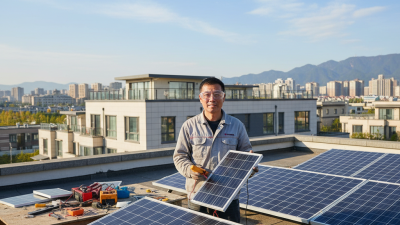
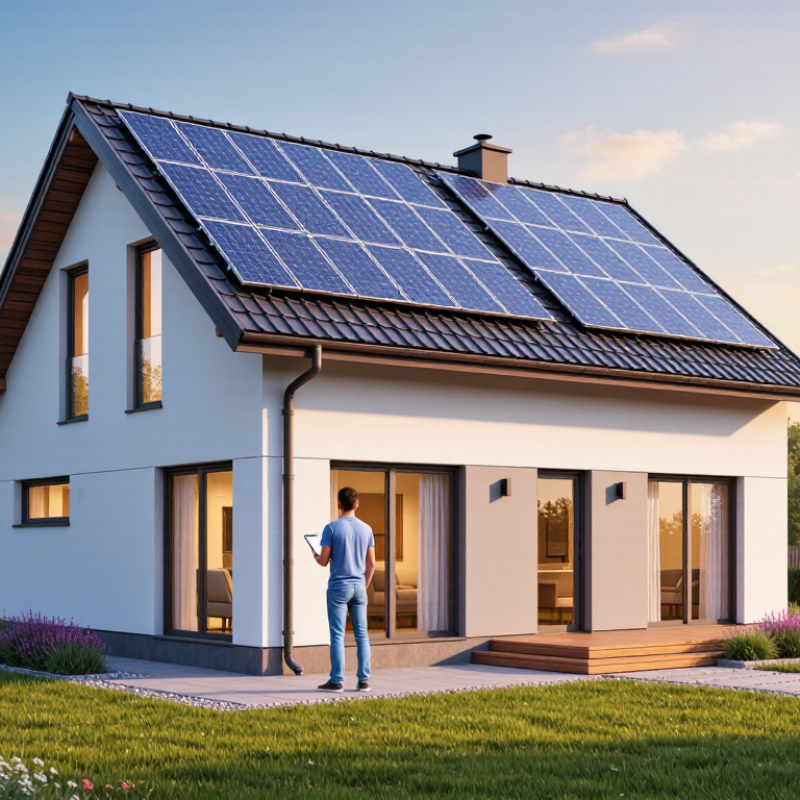
During a roof inspection, I would check shadows from trees, nearby buildings, and rooftop equipment. I would also examine roof age and cable routes before discussing panel capacity. This step is often skipped, and that can create expensive surprises later. Solar output is not perfectly steady. Clouds reduce production, and winter days may provide fewer useful hours. I once assumed a large roof guaranteed strong output; the roof’s afternoon shade proved otherwise. Careful site measurements, realistic energy estimates, and qualified installation work make the system safer and more dependable.

The Main Benefits of Using Solar Power at Home

Residential solar panels turn unused roof space into a small power station.
Sunlight reaches the modules, electricity flows through an inverter, and appliances use it during the day. The U.S. Energy Information Administration reported an average residential electricity price of 16.48 cents per kilowatt-hour in 2023. Producing some of that electricity at home can reduce exposure to future rate increases.

The scale of solar is significant. IEA PVPS Trends 2024 reported more than 400 gigawatts of new photovoltaic capacity worldwide in 2023. IRENA’s Renewable Power Generation Costs in 2023 placed utility-scale solar’s global average cost near 4.4 cents per kilowatt-hour. Household costs differ, but the trend supports improving affordability.

A washing machine running at noon can use fresh rooftop power instead of drawing from the grid. Excess electricity may charge a battery or return to the network, depending on local rules.

Roof conditions matter. Shade from a nearby tree, an aging roof, or poor ventilation can reduce performance. Battery storage also adds expense and maintenance. Solar is not automatically the cheapest choice. A careful installer should examine twelve months of electricity bills, roof direction, and local connection requirements before estimating savings.

I would question any proposal promising identical results for every home. Real output changes with clouds, dust, seasonal sunlight, and household habits. That uncertainty deserves honest attention.

Key Factors for Choosing a Residential Solar System

Choosing a residential solar system starts with your home, not a sales brochure.
Roof direction, pitch, age, and shading can change production significantly. A chimney shadow at noon may look small, yet it can reduce output across several panels. I learned this after an initial estimate seemed too optimistic.

Your household’s electricity pattern matters just as much. Review twelve months of utility bills and note when appliances run. A family using power during daylight may need fewer batteries. Evening-heavy usage could justify storage, but battery costs and replacement timelines deserve careful calculation. Do not judge a system by panel wattage alone. Check the inverter’s capacity, monitoring features, expected efficiency, and compatibility with future expansion.

Installation quality is equally important. Ask whether the installer uses qualified electricians, provides documented design drawings, and follows local permit requirements. Request clear warranty terms for equipment, workmanship, and roof penetrations. A reliable proposal should explain estimated annual production, assumptions about shade, maintenance needs, and possible grid connection delays. Independent energy assessments can reveal missing details. They cost time.

Weather conditions also influence the decision. Dust, snow, heat, and coastal air may require different equipment or cleaning schedules. Solar panels usually need limited maintenance, but “limited” does not mean none. Inspecting wiring and watching system alerts can prevent small faults from becoming expensive repairs. Financial returns are never guaranteed; electricity prices, incentives, financing costs, and household behavior can all shift the outcome. I would leave room for uncertainty rather than trust a perfectly attractive forecast.

Installation, Maintenance, and Expected System Lifespan

Why Choose Residential Solar Panels for Your Home?

A successful solar installation begins with a careful roof and electrical assessment. A qualified installer should check roof age, structural strength, shading, and local permit requirements. South-facing roofs often receive strong sunlight, but roof direction is not the only factor. Nearby trees, chimneys, and seasonal shadows can reduce production. Ask for a written design showing panel placement, expected output, wiring routes, and safety equipment. Small details matter. An unclear estimate can create expensive surprises later.

Maintenance is usually simple, but it is not completely hands-free. Check the monitoring system monthly for sudden production drops. Look for visible dirt, cracks, loose cables, or storm damage from ground level. Avoid climbing onto the roof without proper training. A professional inspection every few years can identify water leaks, electrical wear, or inverter problems. Residential panels commonly operate for 25 to 30 years, while their output gradually declines. Real performance depends on heat, weather, installation quality, and maintenance. I would not promise the exact savings shown in a sales projection; household energy use changes, sometimes unexpectedly.

Tips: Keep trees trimmed away from the array, especially before summer. Photograph the system after installation. Save permits, warranties, inspection records, and production reports. If output falls sharply, investigate early rather than waiting for the next utility bill. Cleaning may help in dusty areas, but unnecessary washing can waste water and create damage.

Costs, Incentives, and Long-Term Energy Savings

Residential solar panels can reduce monthly electricity costs, but the purchase needs careful calculation. A typical home may need a roof inspection, shade analysis, and twelve months of utility bills. These details reveal whether the system can produce enough power throughout the year.

The upfront cost includes panels, inverters, mounting equipment, permits, and installation. Local tax credits, rebates, and net-metering rules may reduce that expense, but incentives differ by location and can change. Check official government and utility websites before signing a contract. Financing also affects the real price. A low monthly payment may still create higher long-term costs. My first estimate would not rely on sunlight alone. Maintenance, roof repairs, insurance, and battery replacement deserve attention too.

Over time, solar can protect a household from rising electricity rates. Savings are strongest when panels face suitable sunlight and the home uses power during production hours. However, cloudy seasons and future utility rules may weaken projections. That uncertainty matters. Good installers should provide production estimates, equipment warranties, and clear performance assumptions.

Tips: Compare at least three written quotes. Ask for total costs, not only monthly payments. Confirm incentive eligibility independently. Check your roof’s remaining life before installation. Keep copies of every estimate and warranty. A simple spreadsheet can compare annual savings, financing charges, and the expected payback period.

logo

SOLARIC Showroom Address:
54 E. Rodriguez Jr. Ave (C5), Warehouse #9, Bagong Ilog, Pasig

Schedule: Monday to Friday 7AM to 5PM. Saturdays 8AM to 3PM.

Solaric Corp. (by appointment only)
15/F Jollibee Tower, F. Ortigas Jr. Cor Garnet Rd., Ortigas Center, Pasig

Email: [email protected]

Cell/Text: +63-917-860-3141 | +63 908 377 5577

Solaric Equipment

For Solar Professionals, Contractors, and Installers

Call / Email to reserve/pickup/ request delivery: Monday to Friday 7AM to 5PM. Saturdays 8AM to 3PM

© 2013 - 2026 Solaric Corp. All Rights Reserved