2026 Best Residential Solar Systems for Buyers?
Choosing among the best residential solar systems in 2026 takes more than comparing panel wattage. Buyers should weigh roof conditions, electricity use, utility rules, warranties, and whether battery backup is genuinely useful. A sleek panel can still be a poor fit. The right system should suit the home’s daily load, not just look impressive on a proposal.
Market conditions make careful comparisons especially important. SEIA and Wood Mackenzie’s 2025 U.S. Solar Market Insight report estimated that residential installations reached about 4.7 gigawatts in 2024, down from the previous year. That shift makes installer quality, transparent pricing, and realistic savings estimates worth checking closely. NREL’s cost and performance research also offers a useful reference point, but national benchmarks cannot predict one home’s final quote. Local labor, roof complexity, and equipment choices change the math.
This guide examines panel efficiency, inverters, batteries, monitoring, warranties, and installation support. Look for specific details: an inverter’s replacement terms, a battery’s usable capacity, or how shade affects a roof’s output. Small print matters. A system sized around last year’s bills may miss future electric-car charging or a heat pump. Some comparisons also overemphasize headline efficiency. That is a limitation worth questioning. The strongest residential solar systems balance dependable equipment with a design and service plan that make sense for the household.
What a Residential Solar System Includes in 2026
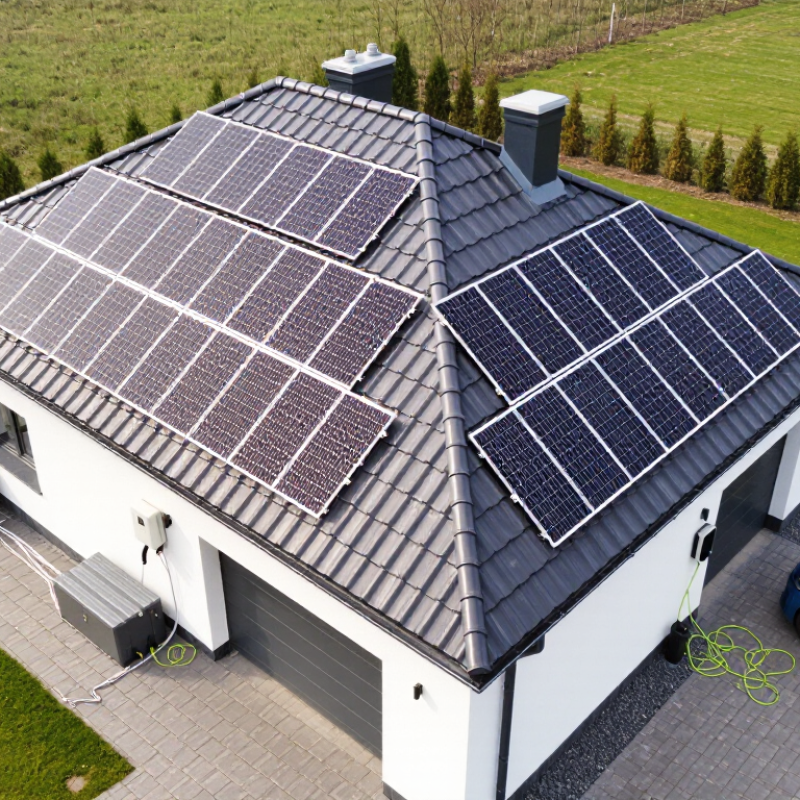
A residential solar system in 2026 is more than rooftop panels. The panels convert sunlight into direct-current electricity. An inverter changes that power into alternating current for household use. Mounting rails secure the panels, while wiring and protective equipment connect the parts. A meter tracks energy moving between the home and the grid. The exact setup depends on the roof, local conditions, and household use.
Some homes also include a battery. It can store surplus daytime energy for later, such as during evening use or an outage, when configured for backup. Batteries add cost and need suitable space, ventilation, and electrical planning. Not every household needs one. A system may also include monitoring software, which shows production and consumption. Useful, but not magic.
Tips: Ask for a written equipment list and a site-specific design. Check where the inverter and any battery will sit, and how cables will enter the home. Compare estimated annual production with your past electricity use. Estimates are not guarantees; shade, weather, and future changes can affect results. I would not treat a larger system as automatically better. Roof details are easy to overlook, and they matter.
How Grid-Tied, Hybrid, and Off-Grid Systems Differ
Grid-tied, hybrid, and off-grid solar systems use similar panels, but they handle electricity differently. A grid-tied system sends surplus power to the utility network and draws electricity when panels fall short. It is often the simplest option for a home with reliable grid access. However, standard grid-tied systems usually shut down during an outage for worker safety, even when the sun is shining. That surprises some buyers.
A hybrid system adds a battery and controls that can keep selected circuits running during an outage. A refrigerator, a few lights, and a modem may fit a modest backup plan; electric heating or cooking can demand much more storage. The battery adds cost and needs careful sizing. Not every hybrid setup backs up the whole home. Check which circuits are included, and ask how long they can run under realistic conditions.
Off-grid systems operate without utility support, so they need enough panels, batteries, and often a backup generator for poor-weather periods. Winter can be the hard test: short days may leave batteries low for several nights. A system sized only for average summer use can disappoint. The trade-offs are real. Compare your actual bills, outage history, roof conditions, and essential loads before choosing; estimates should be reviewed against the home’s specific site and usage.
Which Solar System Features Matter Most to Buyers
For buyers comparing residential solar systems in 2026, the most useful feature is a credible production estimate—not the largest panel count. Ask how roof direction, shade, local weather, and system losses affect the forecast. NREL’s PVWatts model uses location and system details to estimate energy production, but actual output varies with conditions. A tree’s afternoon shadow can matter more than a small difference in panel efficiency.
Price deserves equal scrutiny. Lawrence Berkeley National Laboratory’s Tracking the Sun 2024 report found that the median price of residential systems installed in 2023 was about $3.3 per watt. That figure is a benchmark, not a promise: equipment, installation complexity, and market conditions change the quote. Request an itemized estimate showing equipment, labor, permits, and any battery costs. Check the inverter warranty, panel performance terms, and who handles service. Small print matters.
For a battery, compare usable capacity and power output with the loads you actually want to run, such as a refrigerator, lights, and a router during an outage. The U.S. Energy Information Administration tracks household electricity use, but your own utility bills give a more personal baseline. Ask for assumptions behind savings estimates, including rate changes and export credits. I would not treat a glossy payback estimate as certainty; it can miss real-world variation.
How to Compare System Costs, Output, and Warranties
A solar quote is useful only when its assumptions are visible. Compare the same system size, panel capacity, inverter type, and battery configuration across proposals. Check whether the price includes roof work, electrical upgrades, permits, and monitoring. A low headline price can hide extra costs. Ask for the cash price and any financing fees separately.
Compare estimated annual output, not just panel count. The estimate should reflect your roof’s direction, local shade, and seasonal sunlight. Ask how much electricity the system is expected to produce in its first year, and what assumptions support that figure. A sunny-day photo is not an energy forecast. Read the fine print. Production can vary with weather, roof changes, or equipment downtime, so treat estimates as estimates.
Warranties cover different things. Product coverage may apply to equipment defects, while performance terms address output over time. Workmanship coverage concerns installation, and its length and exclusions can vary. Ask who handles a service call, whether labor and shipping are covered, and whether the warranty transfers if you sell the home. Get the answers in writing. I would also check what happens if a component fails after the installer is no longer operating; that detail is easy to overlook.
How to Choose an Installer and Plan for Maintenance
A good residential solar system starts with a careful installer, not the biggest production promise. Ask for an itemized quote covering panels, inverter, permits, roof work, and monitoring. Berkeley Lab’s 2024 Tracking the Sun report put the median U.S. residential installed price at about $3.15 per watt for 2023 installations. Local labor and roof conditions vary, so compare quotes with matching equipment and scope. Get exclusions in writing. Check recent local references, workmanship coverage, and who handles service after installation. A polished sales visit is not proof of careful roof work.
Maintenance is usually modest, but it is not zero. Ask who monitors system alerts, how quickly faults are reviewed, and whether site visits cost extra. NREL’s review of photovoltaic degradation studies found a median performance decline of roughly 0.5% per year. That is a fleet-level estimate, not a promise for your roof. Keep the monitoring login, warranties, and commissioning report together; photograph the inverter display after handover. Leaves, dust, snow, or a new roof vent can affect output. I’d revisit the installer’s production estimate after the first full year, too. Weather complicates comparisons, and I may be overchecking—but a short written review can catch a loose connection or an unrealistic expectation early.