Best Solar Panels for House How to Choose the Right One?
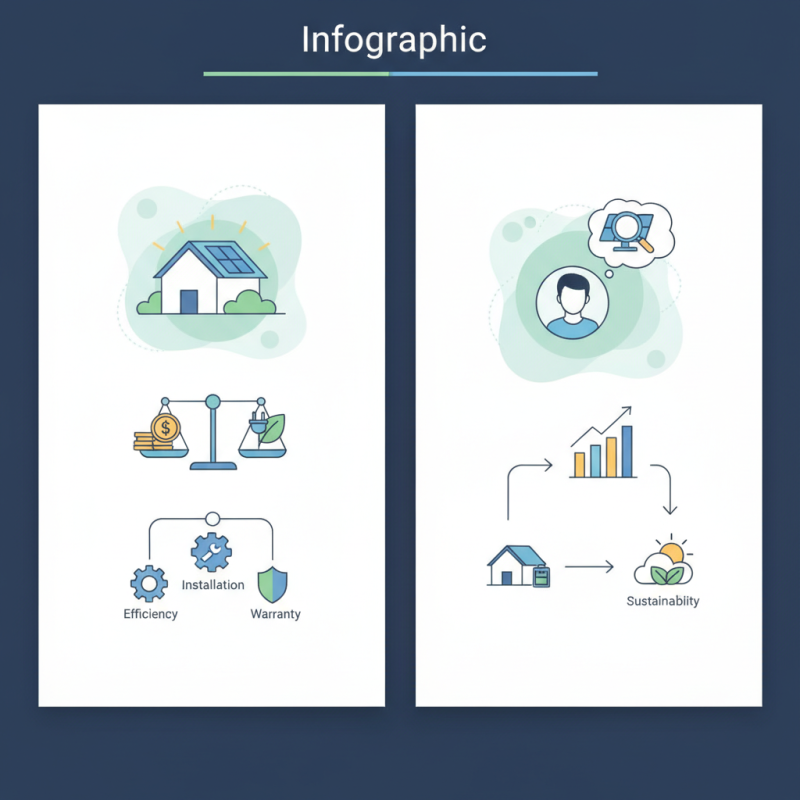
When considering solar panels for house installation, expertise is vital. John Smith, a well-respected energy consultant, emphasizes, "Choosing the right solar panel is crucial for optimal efficiency." Homeowners face a myriad of options, each with unique features and benefits.
The right choice can significantly impact energy savings. High-efficiency panels may offer better performance but often come at a higher cost. It's essential to balance budget with long-term benefits. Installation methods vary too, affecting both aesthetics and functionality.
Many people overlook the importance of warranty and customer support. A reliable brand typically offers solid assurance and assistance post-purchase. While many solar panels for house use promise great outcomes, it's wise to approach with caution and research thoroughly. Each decision shapes the sustainability of your home. The journey in harnessing solar power should lead to thoughtful choices, reflecting both your needs and the environment.
Understanding Solar Panels: Types and Technologies Explained
When it comes to solar panels, understanding the different types and technologies is crucial. There are three main types of solar panels: monocrystalline, polycrystalline, and thin-film. Monocrystalline panels are known for their high efficiency and sleek appearance, but they can be pricey. Polycrystalline panels offer a more budget-friendly option with slightly lower efficiency. Thin-film panels are lightweight and flexible, making them versatile, yet they occupy larger areas due to lower efficiency.
Each technology has its pros and cons. Monocrystalline panels require less space. However, they can be less effective in shaded areas. Polycrystalline panels are more affordable but might perform lower overall. Thin-film technology, while adaptable, can have the least efficiency per square foot. It’s essential to weigh the benefits based on your specific energy needs and property characteristics.
Moreover, environmental factors play a role in panel choice. Consider your roof orientation, local climate, and how much sunlight your area receives. Reflecting on these details can significantly impact your energy production. It's the journey of discovering the right solar panel technology that makes the process rewarding. There are no one-size-fits-all solutions. Each home is unique, requiring thoughtful consideration for the best results.
Best Solar Panels for House: How to Choose the Right One?
| Type of Solar Panel |
Efficiency (%) |
Lifespan (Years) |
Cost per Watt ($) |
Warranty (Years) |
| Monocrystalline |
15-22 |
25-30 |
0.70-1.50 |
25 |
| Polycrystalline |
13-16 |
20-25 |
0.50-1.00 |
20 |
| Thin-Film |
10-13 |
10-20 |
0.30-0.70 |
10 |
| Bifacial |
20-24 |
25-30 |
0.80-1.60 |
25 |
Factors to Consider When Choosing Solar Panels for Your Home
Choosing solar panels for your home can be overwhelming. Several factors influence this decision.
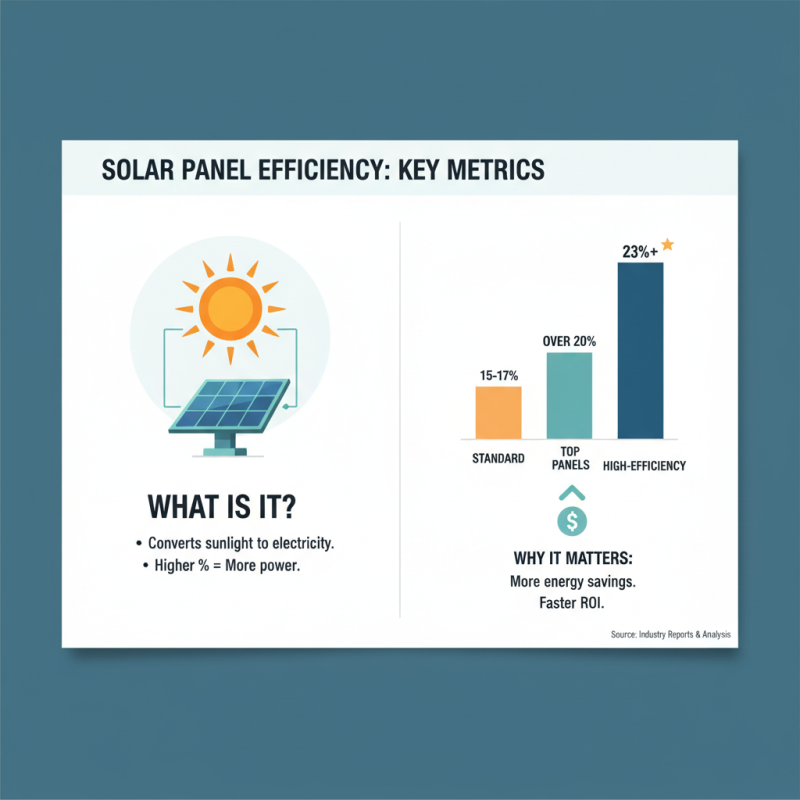
Start with efficiency. It measures how much sunlight a panel can convert into electricity. High-efficiency panels can generate more power in limited space.
According to the U.S. Department of Energy, peak efficiency rates can reach 22% or more.
Next, consider the wattage. Higher wattage panels produce more power. A typical home may need about 5,000 to 7,000 watts of solar capacity.
The number of panels required for your installation depends on their wattage and the home's energy needs. Space is another critical factor. Ensure your rooftop can accommodate the number of panels you need.
You should also evaluate the panel's durability. Look for products that offer a warranty of at least 25 years. This reflects the manufacturer's confidence in longevity.
Climate can affect performance too. For example, panels perform differently in various temperatures.
In hotter climates, efficiency may decline. Research shows that energy production drops by about 0.5% for every degree above 25°C.
Finally, think about cost. The initial investment can be significant, but savings on energy bills and potential tax credits add value.
Make informed decisions based on your unique situation.
Comparing Efficiency Ratings of Different Solar Panel Brands
When comparing the efficiency ratings of different solar panel brands, it’s crucial to look at the actual performance metrics. Efficiency ratings indicate how much sunlight a panel can convert into usable electricity. Currently, top-rated panels achieve efficiencies above 20%. Some models even exceed 23%, as reported by industry analysts. This efficiency directly impacts energy savings over time.
Choosing the right solar panel requires an understanding of these ratings. Higher efficiency doesn’t always mean a better choice for every home. Some panels may be less efficient but more affordable. Balancing cost with long-term performance is essential. Additionally, the space available for installation plays a vital role. Limited roof space may necessitate a higher-efficiency panel, while larger areas could accommodate less efficient, lower-cost options.
Moreover, it’s important to consider durability and warranty. A panel's lifespan can also affect its efficiency over time. Many brands offer warranties of 25 years or more, indicating longevity. However, if a panel degrades sharply after a decade, the initial efficiency becomes irrelevant. Examining independent reviews and reports can help clarify these aspects. It's imperative to research thoroughly to make the best decision for energy needs and financial goals.
Evaluating Cost and Financial Incentives for Solar Panel Installation
When considering solar panel installation, financial aspects are crucial. The initial cost can be daunting. However, various financial incentives can offset this expense significantly. Many states offer tax credits or rebates. These incentives can reduce out-of-pocket costs, making solar energy more accessible.
The long-term savings from solar panels also contribute to financial feasibility. Homeowners often see reduced electricity bills. Over time, these savings can surpass the initial investment. Additionally, some areas have net metering policies. This allows homeowners to sell excess energy back to the grid, providing an additional income stream.
Understanding the total cost is essential. Beyond purchase and installation, consider maintenance and potential repairs. Some systems may require regular checks, while others are low-maintenance. Balancing these factors is key in determining overall affordability. It's vital to analyze personal financial situations and long-term energy needs. This evaluation helps in selecting the right solar solution that aligns with both budget and sustainability goals.
Top Solar Panel Recommendations for Residential Use in 2023
When selecting solar panels for residential use, it's crucial to consider efficiency, durability, and warranty. A recent industry report by the National Renewable Energy Laboratory highlights that the average efficiency of solar panels has reached 20-22%. This means that homeowners can expect more power generation per square foot of panel area. However, achieving optimal efficiency depends on installation conditions and local sunlight availability.
The materials used in solar panels play a vital role. Monocrystalline panels typically offer higher efficiency but come at a premium price. On the other hand, polycrystalline panels are more affordable but less efficient. It's important to weigh these characteristics based on your budget and energy needs. Moreover, a solid warranty typically indicates a manufacturer's confidence in their product. Most reliable brands offer warranties of 25 years or more, which can provide peace of mind.
Homeowners often overlook the significance of shading and orientation. Installing panels in shaded areas can reduce energy output dramatically, sometimes by 20% or more. Consulting a professional installer can help assess your property’s solar potential. Select solar panels not just for today but with an eye on future energy needs. Balancing initial costs with long-term savings is key in this investment.