China Best Home Solar System Cost How Much Is It?

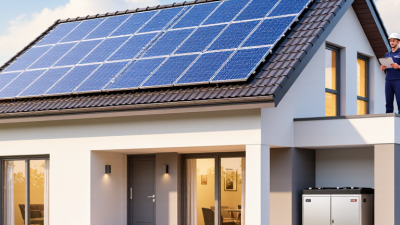
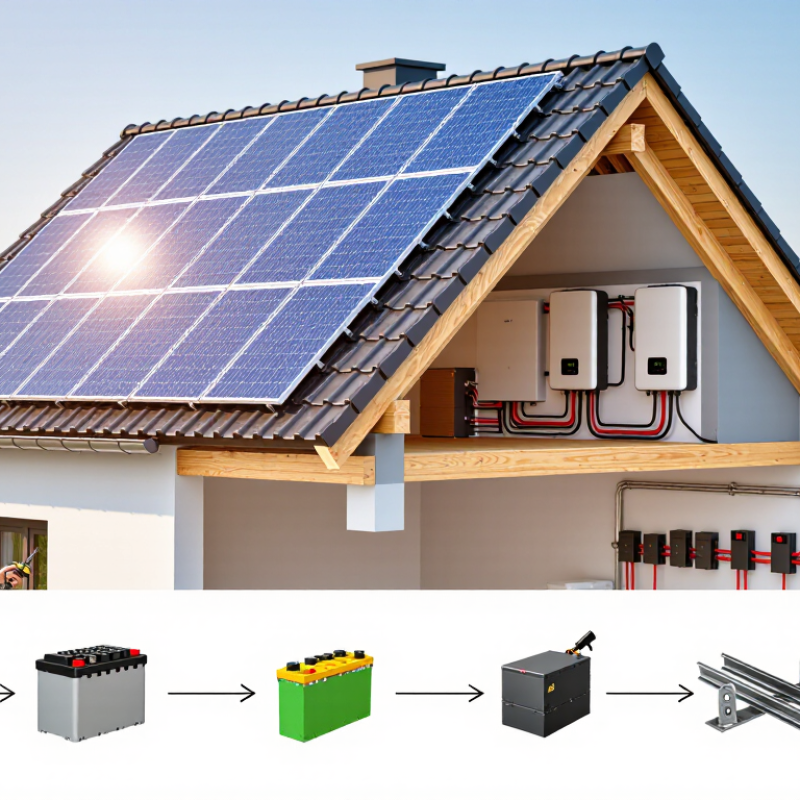
Understanding the home solar system cost in China begins with more than checking a marketplace price. A complete system may include solar panels, an inverter, mounting rails, wiring, installation, monitoring, and sometimes battery storage. Each component changes the final quotation.

Prices vary by system size, panel efficiency, battery capacity, roof structure, and installation location. A small home system may suit basic daytime use, while a larger setup can support air conditioners, water heaters, and evening appliances. Battery storage usually increases the budget significantly. Local sunlight conditions also affect the expected energy output.

A reliable comparison should separate equipment costs from labor, transport, taxes, maintenance, and grid-connection services. Ask suppliers for detailed specifications, warranty terms, product certifications, and inverter safety information. Experienced installers should inspect the roof before recommending a system. They should also explain whether local approval or utility procedures apply.

Some online prices look attractive because they exclude installation or batteries. That can create an unrealistic budget. No estimate is perfect.

This guide examines realistic cost factors, common system sizes, and practical ways to compare Chinese suppliers. It also considers long-term value, not just the lowest quotation. A cheaper panel may have weaker warranty support or lower performance in heat. That point is easy to overlook. Careful buyers should request written contracts and verify after-sales service before paying a deposit. Regional pricing changes, so the figures discussed here should be treated as planning references rather than fixed promises.
China Best Home Solar System Cost How Much Is It?

How China’s Home Solar Systems Work: Grid-Tied, Hybrid, and Off-Grid

China Best Home Solar System Cost: How Much Is It?

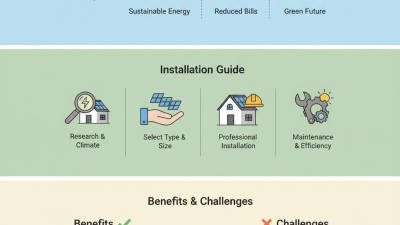
Home solar systems in China work in three main ways: grid-tied, hybrid, and off-grid. A grid-tied system sends extra electricity to the public grid. It usually costs less because it needs no battery. However, it normally stops during a power outage for safety.

A hybrid system combines solar panels, grid power, and batteries. It can store daytime energy for evening use. This option offers better backup, but battery size strongly affects the price.

An off-grid system works without a utility connection. It needs larger batteries and careful load planning, especially for refrigeration, pumps, or heating.

A practical assessment should check roof direction, shading, annual electricity use, cable routes, and local installation requirements. A neat cost estimate can still be wrong if winter demand is ignored. That mistake is common.

Tips: List essential appliances before requesting a quotation. Ask for separate prices for panels, inverter, batteries, mounting, labor, and maintenance. Confirm the battery’s usable capacity, warranty terms, and expected service conditions. Do not size the system only by roof area. Safety matters more than a crowded roof. A qualified installer should also explain protection devices, emergency shutdown, and grid connection procedures. Reserve space for future battery expansion if your energy needs may grow.

China PV Industry Association Data: Residential Solar Prices in RMB/W

China Best Home Solar System Cost: How Much Is It?

For a typical Chinese home, a grid-connected solar system may cost about RMB 3.0–5.0 per watt. A 5 kW rooftop installation therefore often reaches RMB 15,000–25,000, before adding battery storage. The China Photovoltaic Industry Association reported module prices near RMB 0.70–0.80/W in its 2024 industry analysis. However, modules are only one part of the bill. Inverters, mounting structures, wiring, labor, inspection, and roof preparation can raise the final residential price.

A battery changes the calculation. A 5 kW system with lithium storage may cost roughly RMB 30,000–50,000, depending on usable capacity and installation conditions. The National Energy Administration’s distributed photovoltaic data shows continued growth in household installations, but it does not create one national retail price. Local quotes remain different.

Tile roofs may require extra brackets, while shaded roofs can reduce annual output. That detail matters.

The RMB/W figure is useful, but incomplete. I have seen low quotations exclude grid connection work or monitoring equipment. That makes comparison misleading.

A careful buyer should request an itemized quote, expected annual generation, warranty terms, and estimated maintenance costs.

CPIA market data is authoritative for industry trends, not a guaranteed household invoice. Prices also move quickly. This estimate deserves review before any purchase.

Home Solar Cost Breakdown: Panels, Inverters, Batteries, Labor, and VAT

China Best Home Solar System Cost: How Much Is It?

Home solar pricing depends on system size, roof conditions, equipment quality, and local installation rates. A typical 5 kW residential system may cost about USD 3,500–7,000 before optional battery storage. Solar panels commonly represent 25%–35% of the budget. The inverter may add 10%–20%, depending on capacity and backup functions. Prices vary considerably.

A lithium battery can add USD 2,000–6,000 for practical home storage. Larger batteries cost more, but they may improve evening energy use and backup performance. Labor includes mounting, wiring, testing, and grid connection paperwork. It often accounts for 10%–20% of the project cost. VAT must also be checked carefully. Some quotations include VAT, while others list it separately. That difference can change the final invoice noticeably.

Tips: Request an itemized quotation. Check panel wattage, inverter capacity, battery usable capacity, warranty terms, labor, transport, and VAT. Ask for a roof inspection before accepting any estimate. Shading from a water tank or nearby building can reduce output. A battery is not always the best financial choice. A simple payback calculation may overlook replacement costs, maintenance, and seasonal production. I would not trust an unusually cheap quote without technical drawings and safety documentation. Real homes are less predictable than online calculators suggest.

China Home Solar System Cost Breakdown

Illustrative cost estimate for a 5 kW residential hybrid solar system with approximately 10 kWh of battery storage.

The estimated pre-tax system cost is RMB 37,000, including solar panels, inverter, battery storage, mounting and electrical equipment, and installation labor. VAT is modeled at 13%, producing an estimated total of RMB 41,810. Actual prices vary by province, roof structure, system design, battery capacity, installation conditions, and applicable tax treatment.

5 kW and 10 kW Examples: RMB 3–5/W Installed System Benchmarks

China Best Home Solar System Cost How Much Is It?

For a grid-connected home system in China, RMB 3–5 per watt is a practical installed benchmark. A 5 kW system therefore costs about RMB 15,000–25,000 before battery storage. A 10 kW system may require RMB 30,000–50,000. These figures usually include modules, inverter, mounting rails, wiring, labor, and grid-connection services. They normally exclude roof repairs, backup batteries, and major electrical upgrades.

Real quotations vary sharply. A concrete roof with simple cable routes can stay near RMB 3/W. A tiled roof, long wiring path, or reinforced mounting structure may approach RMB 5/W. Storage changes the calculation. Recent industry surveys commonly place residential battery systems in a separate cost category, often adding thousands of yuan per kilowatt-hour. That detail is frequently overlooked.

The International Energy Agency Photovoltaic Power Systems Programme reported continued module and system cost reductions across major markets in its 2024 trends report. China’s National Energy Administration also recorded strong distributed-solar growth in 2024, showing broad household adoption. However, national averages are not personal quotations. Installer quality, local labor, roof orientation, shading, and after-sales support still matter. The RMB 3–5/W range is useful, but not perfect. Ask for an itemized proposal, annual generation estimate, warranty terms, and grid paperwork before comparing prices.

Best System Evaluation: NEA Yields, Tariffs, Payback, and Safety Standards

A home solar system in China often costs about CNY 3.5–6 per watt installed, according to recent market surveys. A 6-kilowatt rooftop system may therefore cost CNY 21,000–36,000 before local rebates or financing. The National Energy Administration reported China’s solar capacity exceeded 880 GW by the end of 2024. However, national capacity does not equal household output. A 6-kilowatt system may generate roughly 6,000–7,800 kWh annually, depending on sunlight, roof direction, shading, and regional weather.

Tariffs decide the payback more than panel size. Under a simple example, 60% of generated electricity is used at home and 40% is exported. With household electricity priced at CNY 0.55 per kWh and exported power valued at CNY 0.25, yearly savings could reach about CNY 2,700. The estimated payback is around eight to thirteen years. Provincial tariff rules differ, and policy changes can weaken this estimate. The spreadsheet looks precise, but it is not.

Safety deserves equal weight. The design should follow applicable Chinese electrical requirements and established references such as IEC 62446 for testing and documentation, plus IEC 60364-7-712 for photovoltaic installations. Include rooftop load checks, DC isolators, surge protection, grounding, cable protection, and emergency shutdown planning. IEA PVPS reports continued cost reductions, yet cheaper equipment can increase inspection risks. Inverter replacement, battery degradation, cleaning, and roof repairs are often excluded from payback calculations. That omission matters.

logo

SOLARIC Showroom Address:
54 E. Rodriguez Jr. Ave (C5), Warehouse #9, Bagong Ilog, Pasig

Schedule: Monday to Friday 7AM to 5PM. Saturdays 8AM to 3PM.

Solaric Corp. (by appointment only)
15/F Jollibee Tower, F. Ortigas Jr. Cor Garnet Rd., Ortigas Center, Pasig

Email: [email protected]

Cell/Text: +63-917-860-3141 | +63 908 377 5577

Solaric Equipment

For Solar Professionals, Contractors, and Installers

Call / Email to reserve/pickup/ request delivery: Monday to Friday 7AM to 5PM. Saturdays 8AM to 3PM

© 2013 - 2026 Solaric Corp. All Rights Reserved