What Are the Top 10 Home Solar System Suppliers in China?
Choosing a home solar system supplier in China can seem straightforward until product labels, warranty terms, and installation needs meet. China has manufacturers and exporters with different strengths, from high-volume solar modules to bundled inverters, batteries, and monitoring tools. A place on a “top 10” list is not a universal endorsement. It is a starting point. This guide compares suppliers using practical signals: product range, documented certifications, warranty clarity, manufacturing experience, export support, and service access. Buyers should also check whether a quoted system capacity fits household electricity use, roof area, local sunlight, and backup needs. A glossy brochure cannot answer every question.
For a meaningful comparison, request current datasheets, model numbers, inverter and battery compatibility details, warranty documents, and written after-sales arrangements. That matters. Compare the delivered cost, not just the panel price: freight, mounting hardware, commissioning, and replacement parts can change the final budget. Where public records are available, cross-check company identity, product certifications, manufacturing claims, and recent customer references before paying a deposit. Specifications and service terms may vary by model and market, so confirm details directly with the supplier. This overview is intended to help narrow the field, not guarantee the same results for every household. Some details remain uncertain. A qualified local installer should still assess the roof, wiring, and grid connection requirements before a purchase.

NEA Data: China Added 277.17 GW of PV Capacity in 2024
China’s photovoltaic market expanded sharply in 2024. NEA data reports 277.17 GW of newly added PV capacity. That figure reflects new capacity, not the number of home systems or panels sold. The distinction matters when reading a list of China’s top solar suppliers. A national growth figure cannot confirm any supplier’s product quality, delivery record, or after-sales support. Big numbers impress. They do not tell the whole story.
For homeowners, a fast-growing market can offer more options, but careful comparisons still matter. Review panel and inverter specifications, warranty terms, installation scope, and local service arrangements. Ask for an itemized quotation covering equipment, labor, grid connection work, and monitoring. Expected output should account for your roof’s orientation, shading, and seasonal sunlight—not just ideal conditions. A ranking can look precise while hiding differences in service and project scope.
Tips: Request written performance assumptions and warranty details. Confirm the installer’s experience with roofs like yours, and keep commissioning records. If two offers differ sharply, compare each line item. One overlooked detail can matter.
Home Solar System Basics: PV Modules, Inverters, Batteries, and Grid Connections
Home Solar System Basics: PV Modules, Inverters, Batteries, and Grid Connections
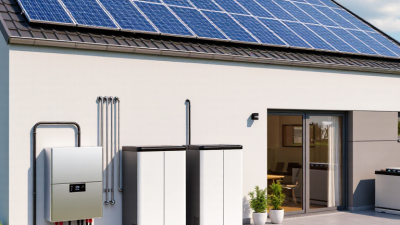
A home solar system combines PV modules, an inverter, optional batteries, and a grid connection. Modules convert sunlight into direct-current electricity. Roof shade, orientation, and ventilation all affect output; even a vent pipe can cast a narrow shadow across a panel. Small details matter.
IRENA’s Renewable Capacity Statistics 2024 reports 346 GW of new solar capacity worldwide in 2023, bringing total installed capacity to 1,419 GW.
The inverter converts electricity into the alternating current used by household appliances. Some systems also use it to manage battery charging and grid interaction. China’s National Energy Administration reported 216.88 GW of newly installed solar capacity in 2023. That scale is striking, but household performance still depends on site-specific design, not national totals.
Batteries store excess daytime electricity for later use, such as evening lighting or refrigeration. They add cost and take up space, so not every home needs one. A grid-connected system can send surplus electricity outward, subject to local utility requirements and metering arrangements.
Ask for clear estimates of expected output, battery capacity, and conversion losses. Real roofs are rarely as simple as diagrams suggest.
How to Compare Suppliers: Module Efficiency, Inverter Ratings, and Battery Capacity
A supplier’s headline module efficiency is only a starting point. Compare datasheets under the same test conditions, then check the temperature coefficient and expected annual degradation. A rooftop in a hot, partly shaded area may produce less than a laboratory figure suggests. Ask for serial-number traceability, warranty terms, and references from completed installations. Details matter.
For inverters, compare continuous AC output, input limits, and conversion efficiency—not just the largest number on the specification sheet. Check that the inverter’s voltage range and MPPT inputs suit the proposed array. Efficiency can vary with load. Ask how faults are monitored and what happens if the unit needs replacement; service arrangements can be less clear than product specifications.
Battery capacity should be compared as usable energy, not only nominal kilowatt-hours. Review continuous power, depth-of-discharge limits, cycle warranty, and operating temperature range. For example, a 10-kWh battery may provide less than 10 kWh for everyday use. Ask the supplier to show how its proposed capacity matches your evening demand and backup needs. A careful estimate beats a dramatic sales figure, though household use can change over time.
How to Compare Home Solar Specifications
Representative residential product specifications—not a supplier ranking. Actual specifications vary by model and system design.
Compare module efficiency for space-constrained roofs, inverter power with the planned array and household loads, and usable battery capacity with your backup needs. The chart shows illustrative entry, mainstream, and higher-spec reference points; it does not identify or score individual suppliers.
Top 10 Chinese Suppliers: Compare Product Lines, 2024 PV Scale, and Service
A useful comparison of China’s ten leading home solar suppliers should begin with product fit, not a headline ranking. Some offer panels, inverters, batteries, and monitoring software as one package. Others focus on modules and rely on separate equipment partners. Check whether a system supports battery expansion, backup power, and common roof layouts. Small details matter. For example, ask how the inverter handles partial shade and whether the monitoring app shows daily generation clearly.
For 2024 PV scale, compare disclosed production capacity with actual output or shipments; these figures measure different things. A large factory does not automatically mean faster delivery or better residential support. Look for dated company filings or independently checked reports, and note whether figures cover modules, cells, or the whole supply chain. The comparison can feel messy. Reporting periods and definitions are not always consistent, so avoid treating every number as directly comparable.
Service deserves equal attention. Ask who handles system design, commissioning, warranty claims, and replacement parts in your region. Request written response times and a sample monitoring report. A supplier may provide strong equipment yet depend on local installers for after-sales work. That split can cause delays. Before choosing, compare warranty terms, technical documentation, training, and the availability of compatible components, then verify the details with the installer who will actually support the system.
Choosing a System: Match kW Output and kWh Storage to Household Demand
Choosing a home solar system starts with two different numbers: kW describes power, while kWh measures energy over time. A 6 kW array may produce less on a cloudy winter day than on a clear summer afternoon. Roof direction, shade, and local weather all matter. NREL’s PVWatts tool models these factors using weather data, making it more useful than judging a system by panel capacity alone. Not a guarantee. Use a year of electricity bills to estimate demand. The U.S. Energy Information Administration reported average residential electricity use of 10,791 kWh in 2022, or about 29.6 kWh daily (EIA, 2022). Your household may differ sharply, especially with electric heating or a vehicle charger.
Battery storage needs a separate calculation. Check evening and outage loads, then compare usable kWh with the energy you actually expect to store. Also verify the battery inverter’s kW rating: a large battery may still struggle to run several powerful appliances at once. Ask suppliers to show estimated monthly generation, usable storage, backup power, and assumptions about seasonal demand. A single annual estimate can hide winter shortfalls. I would not size from one unusually low bill; that shortcut is easy, and not very reliable. Compare proposals using the same consumption data and reserve level, then inspect the fine print on usable capacity.
What Are the Top 10 Home Solar System Suppliers in China? - Choosing a System: Match kW Output and kWh Storage to Household Demand
| Household Daily Use |
Indicative PV Array |
Approx. 450 W Panels |
Modeled Daily PV Output |
Suggested Usable Battery |
Approx. Nominal Battery Capacity |
Indicative Hybrid Inverter |
Typical Fit |
| 5 kWh/day |
2.25 kWp |
5 |
6.3 kWh/day |
3 kWh |
3.5 kWh |
2–3 kW |
Small, energy-conscious home |
| 8 kWh/day |
3.15 kWp |
7 |
8.8 kWh/day |
5 kWh |
5.5 kWh |
3 kW |
Small household with moderate evening use |
| 10 kWh/day |
3.60 kWp |
8 |
10.1 kWh/day |
6 kWh |
6.5–7 kWh |
3–4 kW |
Typical apartment or compact home |
| 12 kWh/day |
4.50 kWp |
10 |
12.6 kWh/day |
7 kWh |
8 kWh |
4–5 kW |
Small family with regular daytime appliance use |
| 15 kWh/day |
5.40 kWp |
12 |
15.1 kWh/day |
9 kWh |
10 kWh |
5–6 kW |
Family home with several high-use appliances |
| 18 kWh/day |
6.75 kWp |
15 |
18.9 kWh/day |
11 kWh |
12–12.5 kWh |
6–8 kW |
Medium home with substantial evening demand |
| 20 kWh/day |
7.65 kWp |
17 |
21.4 kWh/day |
12 kWh |
13.5 kWh |
8 kW |
Family home with regular cooling or heating loads |
| 25 kWh/day |
9.90 kWp |
22 |
27.7 kWh/day |
15 kWh |
17 kWh |
10 kW |
Larger household or high daytime consumption |
| 30 kWh/day |
11.25 kWp |
25 |
31.5 kWh/day |
18 kWh |
20 kWh |
12 kW |
Large home with multiple high-demand loads |
| 35 kWh/day |
12.60 kWp |
28 |
35.3 kWh/day |
21 kWh |
23.5 kWh |
12–15 kW |
Large household; check roof area and peak loads |
|
Sizing reference, not a supplier ranking or site-specific design: modeled PV output assumes 3.5 peak-sun-hours per day and an 80% system performance ratio (about 2.8 kWh per installed kWp per day). Actual production varies with location, season, shading, roof orientation, and system losses. Nominal battery capacity assumes roughly 90% usable capacity; confirm appliance demand, backup duration, inverter surge rating, and local installation requirements before purchase.
|