Why Are PV Panels So Popular Worldwide?
On a clear morning, sunlight can turn a quiet rooftop into a small power station. That visible change helps explain why pv panels have become familiar in cities, farms, and remote communities. They convert sunlight into electricity without burning fuel at the point of generation. Homeowners may value a lower grid bill, greater energy independence, and productive use of an existing roof. A simple idea.
Yet the popularity of pv panels is not proof that every installation is equally useful. Output changes with roof direction, shade, local weather, system design, and maintenance. A panel partly shaded by a chimney can produce less than its nameplate rating suggests. Costs, battery choices, and the timing of household electricity use also shape real savings. That detail matters. For many buyers, clear warranties, realistic production forecasts, and qualified installation matter as much as a panel’s laboratory efficiency. Reliable comparisons should use local solar data, documented estimates, and actual utility bills where available. Manufacturing and disposal matter too; panels use materials and energy before and after operation. Nothing is effortless. Even so, falling equipment costs, modular installation, and decades of useful service in suitable conditions help explain broad adoption. Where rooftops are limited, utility-scale projects can supply nearby grids. In weaker grids, storage may improve access, though batteries add expense. Performance varies, and estimates can be imperfect. That is worth remembering.
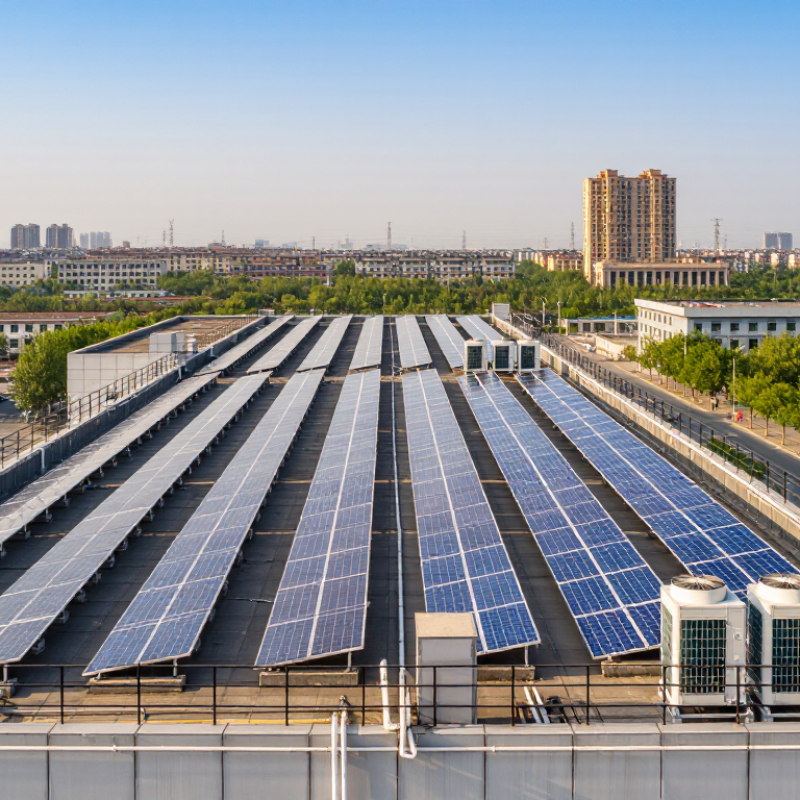
What PV Panels Are: A Technology Reaching 1,419 GW Globally in 2023 (IRENA)
Photovoltaic (PV) panels convert sunlight into electricity using semiconductor cells. The global scale is now hard to picture. IRENA’s Renewable Capacity Statistics 2024 reports 1,419 GW of solar PV capacity worldwide at the end of 2023. It recorded about 346 GW of additions that year.
IEA PVPS’s Snapshot of Global PV Markets 2024 estimates that 407–446 GW of PV was installed during 2023. The figures are not perfectly aligned, partly because reports use different datasets and measurement conventions. Capacity is a power rating, not the amount of electricity generated over a year. That distinction matters: a panel’s output changes with sunlight, temperature, shading, and time of day.
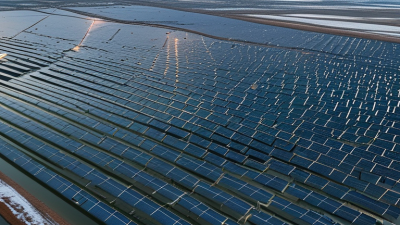
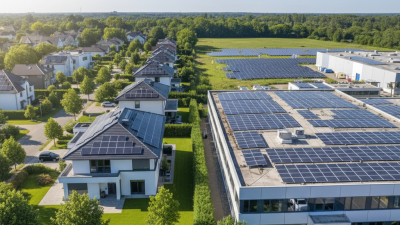
Panels can be installed on a house roof, a warehouse, or in a large ground-mounted array. Their modular design makes projects possible at very different scales. IRENA’s Renewable Power Generation Costs in 2023 reports that the global weighted-average cost of electricity from new utility-scale solar fell 12% from 2022. Still, low costs do not make every project simple. Sunlight varies, and grid connections, land use, storage, and end-of-life panel handling all deserve careful attention. The headline capacity figure is impressive, but it cannot tell the whole story.
How Adoption Accelerated: 346 GW of Solar PV Added in 2023 (IRENA)
IRENA’s Renewable Capacity Statistics 2024 reports that the world added 346 gigawatts of solar photovoltaic capacity in 2023. That represented roughly 73% of all renewable power capacity added that year. A striking share. Solar additions helped lift total renewable capacity growth to a record 473 GW. The figures show how quickly PV deployment has scaled, supported by falling equipment costs, modular installation, and demand for lower-emission electricity.
Yet installed capacity is not the same as electricity delivered. Panels produce less during cloudy periods and nothing at night, while grid connections and storage can lag behind construction. The International Energy Agency has also highlighted the need for stronger grids and flexibility as renewables expand. Growth is impressive, but uneven access to networks and suitable sites remains a real constraint. A number alone cannot describe every local outcome.
Tips: When assessing a solar project, check expected annual generation, shading, roof condition, and grid connection—not just panel capacity. Compare estimates with local weather data. Small details matter. IRENA’s 346 GW figure measures new capacity added worldwide; it does not mean every installation operates at full output or replaces fossil generation one-for-one.
Why Are PV Panels So Popular Worldwide? - How Adoption Accelerated: 346 GW of Solar PV Added in 2023 (IRENA)
| Indicator |
2023 figure |
What it shows |
Source and basis |
| New solar PV capacity |
345.5 GW (about 346 GW) |
The amount of solar PV capacity added worldwide during the year. |
IRENA, Renewable Capacity Statistics 2024 |
| Total installed solar PV capacity |
1,419 GW |
The worldwide solar PV capacity in operation at the end of 2023. |
IRENA, Renewable Capacity Statistics 2024 |
| Annual growth in installed solar PV capacity |
32.2% |
Shows how quickly the global installed solar PV fleet expanded compared with 2022. |
IRENA, Renewable Capacity Statistics 2024 |
| Solar PV share of renewable capacity additions |
About 73% |
Solar PV supplied roughly 345.5 GW of the 473 GW of renewable capacity added worldwide in 2023. |
Calculated from IRENA’s reported 2023 solar PV and total renewable additions |
| Solar PV share of total installed renewable capacity |
About 36.7% |
Solar PV represented more than one-third of the 3,870 GW of renewable capacity installed worldwide at year-end. |
Calculated from IRENA’s 2023 solar PV and total renewable capacity figures |
| Global weighted-average utility-scale solar PV electricity cost |
USD 0.044 per kWh |
The levelised cost of electricity was 12% lower than in 2022, improving the cost competitiveness of new solar generation. |
IRENA, Renewable Power Generation Costs in 2023 |
|
Note: GW means gigawatts; kWh means kilowatt-hour. Percentages marked “about” are calculated from the rounded capacity figures shown.
|
How Costs Fell: PV Module Prices Dropped About 90% Since 2010 (IEA)
PV panels have become more accessible largely because their central component, the module, costs far less than it once did. The International Energy Agency reports that PV module prices fell by about 90% between 2010 and 2020. Larger factories, improved production methods, and years of deployment helped drive that change. A rooftop panel today reflects a decade of engineering and manufacturing progress.
That price drop does not mean every solar project is cheap. The module is only part of the bill; inverters, installation, permits, and grid connections also matter. In one home, panels may fit neatly on a sunny roof. In another, shade or an aging roof can change the economics. That matters. I should be careful not to treat a global price trend as a promise of equal savings for every household. Local quotes and realistic estimates of sunlight are essential.
Tips: Compare the full installed cost, not just panel prices. Check roof condition and shade at different times of day. Ask for projected annual output, and treat estimates as estimates.
Why Solar Competes: PV Electricity Cost $44/MWh on Average in 2023 (IRENA)
Solar’s appeal is increasingly visible in the cost of new power plants. IRENA’s Renewable Power Generation Costs in 2023 reports a global weighted-average levelised cost of electricity of $44/MWh for newly commissioned utility-scale solar PV.
That was 12% lower than in 2022 and 56% below the weighted-average cost of fossil-fuel alternatives. The comparison uses generation costs, not household electricity bills. Important distinction. The figure also describes large power plants, not every rooftop system or market.
The International Energy Agency’s Renewables 2023 report says global renewable capacity additions rose by almost 50% in 2023, with solar PV making up about three-quarters of the growth. Lower generation costs help explain that rapid expansion: large arrays can turn strong midday sunlight into substantial electricity without fuel purchases.
Yet $44/MWh is not the whole story. Financing, grid connections, local sunlight, and curtailment all affect delivered power costs. A sunny midday array is useful; an evening peak is different. Solar competes strongly, but the headline figure needs context.