Why Choose a Solar Panel System for Your Energy Needs?
In the quest for energy independence and sustainability, many homeowners consider a solar panel system. This choice reflects a commitment to reducing carbon footprints and embracing renewable energy. A solar panel system harnesses sunlight, converting it into electricity. This process not only lowers utility bills but also promotes environmental stewardship.
While the initial investment in a solar panel system might seem daunting, the long-term savings can be significant. Over time, the reduced reliance on fossil fuels pays off economically and ecologically. However, it’s essential to evaluate local regulations, installation requirements, and optimal solar exposure.
Adopting solar technology is not without challenges. Potential buyers should weigh the pros and cons carefully. While the benefits can be substantial, each solar panel system is different. Conducting thorough research can help avoid pitfalls and ensure a wise investment in clean energy.
Understanding the Basics of Solar Panel Systems
Solar panel systems capture sunlight and convert it into electricity. This technology has grown rapidly, with a report from the International Energy Agency indicating a 22% increase in global solar power capacity in 2021 alone. These systems not only help reduce carbon emissions but also provide energy independence.
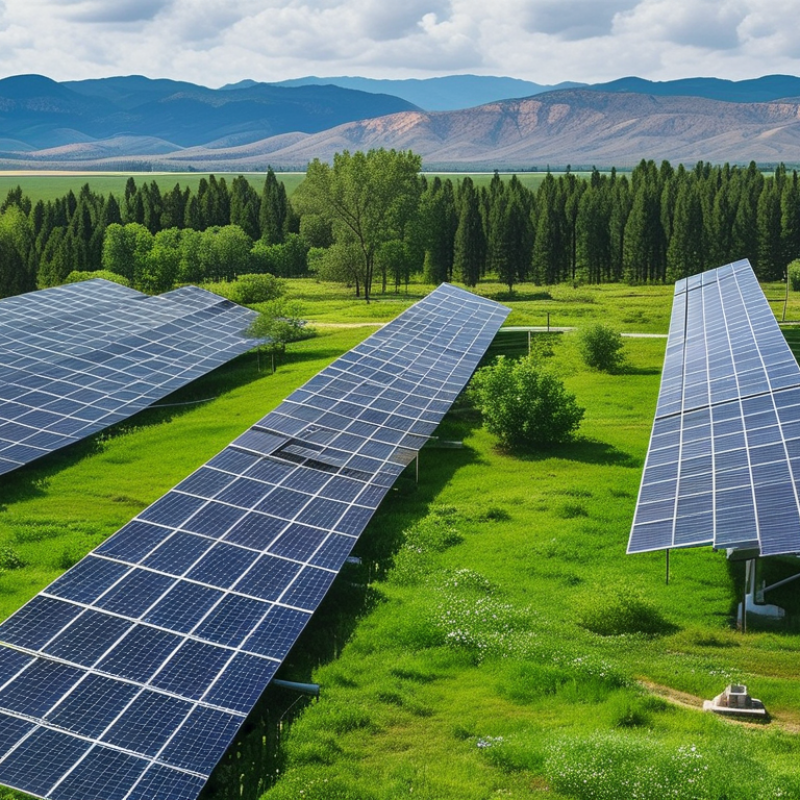
Understanding the basics of solar panel systems involves recognizing their components. A typical system includes solar panels, an inverter, and a mounting system. Solar panels collect sunlight, the inverter converts it to usable electricity, and the mounting system keeps everything secure. Proper installation is crucial. A poorly installed system can lead to inefficiencies. Data from the National Renewable Energy Laboratory shows that installation quality can affect efficiency by up to 20%.
Some homeowners may worry about upfront costs. While initial expenses can be high, potential savings on energy bills create long-term financial benefits. A study indicates that solar users can save between $10,000 to $30,000 over 20 years. As technology improves, systems become more affordable and efficient. However, prospective users must conduct thorough research. Not all systems suit every home. Each roof, location, and energy need varies significantly. Understanding these factors is essential for making an informed decision.
Benefits of Solar Energy for Residential and Commercial Use
Solar energy offers numerous benefits for both residential and commercial use.
One key advantage is the potential for significant cost savings.
Homeowners can reduce their electricity bills over time by harnessing the power of the sun.
Many businesses find that solar panels can lower operational costs. This can free up funds for other critical investments.
Another important aspect is environmental impact.
Solar energy is renewable and produces no harmful emissions. By choosing solar,
users contribute to a cleaner planet.
However, the initial investment can be high. Consumers must evaluate their financial situation before making a decision.
It’s worth noting that local incentives can help alleviate this burden.
Solar energy increases energy independence.
This is crucial in a world where energy prices fluctuate.
Users may experience peace of mind knowing they rely on their own energy source.
Yet, not every property is ideal for solar installation.
Factors like roof orientation and shading can limit effectiveness.
Careful planning and consultation with professionals are essential for success.
Cost Analysis: Initial Investment vs. Long-term Savings
Investing in a solar panel system involves weighing initial costs against long-term savings. The upfront investment can be intimidating. However, this is just a part of the bigger picture. When you look at energy bills over time, solar can provide substantial savings. Many homeowners see a decrease in energy costs that adds up over the years.
A comprehensive cost analysis reveals that solar energy often pays for itself within a few years. Tax incentives and rebates can ease the initial burden. Yet, it’s essential to consider factors such as installation costs and system maintenance. Not every home may benefit equally from solar. Roof orientation and local climate can impact efficiency.
While the promise of renewable energy is appealing, there are potential drawbacks. Performance issues can arise, especially in less sunny regions. Plus, while prices for solar installations have dropped, they can still be a financial strain for many families. It’s crucial to conduct thorough research and seek expert advice to determine if solar is the right choice for you.
Environmental Impact: How Solar Energy Reduces Carbon Footprint
Solar energy plays a significant role in mitigating climate change. By using solar panels, households can substantially reduce their carbon footprint. According to the U.S. Department of Energy, solar energy systems can cut greenhouse gas emissions by as much as 80%. This statistic highlights the direct impact of shifting from fossil fuels to renewable sources.
Additionally, a comprehensive report from the International Energy Agency indicates that widespread adoption of solar technology could prevent over 4 billion tons of CO2 emissions annually by 2040. This shift is vital as global temperatures rise. Each solar panel installed contributes to cleaner air and a healthier planet.
Transitioning to solar energy does come with challenges. The initial investment can be high, and not all regions have optimal sunlight availability. Yet, the long-term benefits often outweigh these obstacles. Residential users not only save on electricity bills but also contribute to a sustainable future. As the world grapples with climate crises, every small contribution counts.
Installing and Maintaining a Solar Panel System: What to Know
Installing a solar panel system can significantly reduce your energy bills. However, it's important to understand what installation and maintenance involve. A typical installation takes a few days, depending on system size and complexity. Professionals will assess your roof, ensuring it can support the panels. They will check for shading and orientation as well, which impacts efficiency.
Maintenance is crucial for your solar panels' longevity. Regular cleaning is recommended to remove dirt and debris. Dust can block sunlight and reduce energy production. Inspecting the system for any signs of wear or damage is also wise. It's easy to miss small issues, but they can become costly over time. Some homeowners lack the knowledge to perform these checks themselves. This is where professional inspections come in handy.
Consider your energy needs and the long-term commitment of solar installation. It's not just about saving money; it's about sustainability. You may face challenges, like fluctuating energy prices or maintenance costs. Assess your situation carefully before making a decision. Balancing benefits and responsibilities is key to a successful solar experience.
Solar Panel System Efficiency and Savings