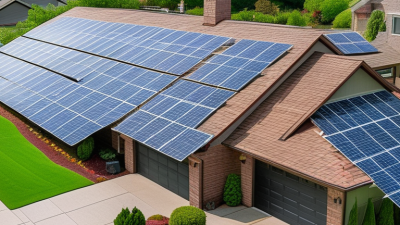
Why Choose a Solar Power System for Your Business?
Choosing a solar power system can reshape how a business produces, manages, and pays for electricity. On a warehouse roof, panels can turn unused space into a working energy asset. During sunny hours, they may power refrigeration, machinery, lighting, or office equipment directly.
Fatih Birol, Executive Director of the International Energy Agency, described solar as “the new king of electricity markets.” His statement reflects a major shift in global energy investment. However, a responsible decision requires more than enthusiasm. A business should examine its electricity bills, operating hours, roof condition, shading, local climate, and available incentives. Professional site surveys can reveal problems that online calculators often miss.
The financial case may be strong.
Still, the answer is not always simple. A shaded roof may reduce output. An aging structure may require repairs before installation. Batteries can improve resilience, but they also increase cost, maintenance needs, and replacement planning. Energy prices, financing terms, and local rules can change the payback period. These uncertainties deserve honest attention.
A well-designed solar power system should match the company’s actual energy profile, not follow a fashionable template. Experienced installers can compare panel efficiency, inverter performance, warranties, monitoring tools, and expected degradation. Businesses should request clear production estimates and inspect the provider’s installation record. Small details matter, such as afternoon demand, dust on panels, and access for maintenance. Solar power can reduce operating emissions and improve long-term energy control, but it is not a guaranteed shortcut to savings. Careful evidence should guide the investment.
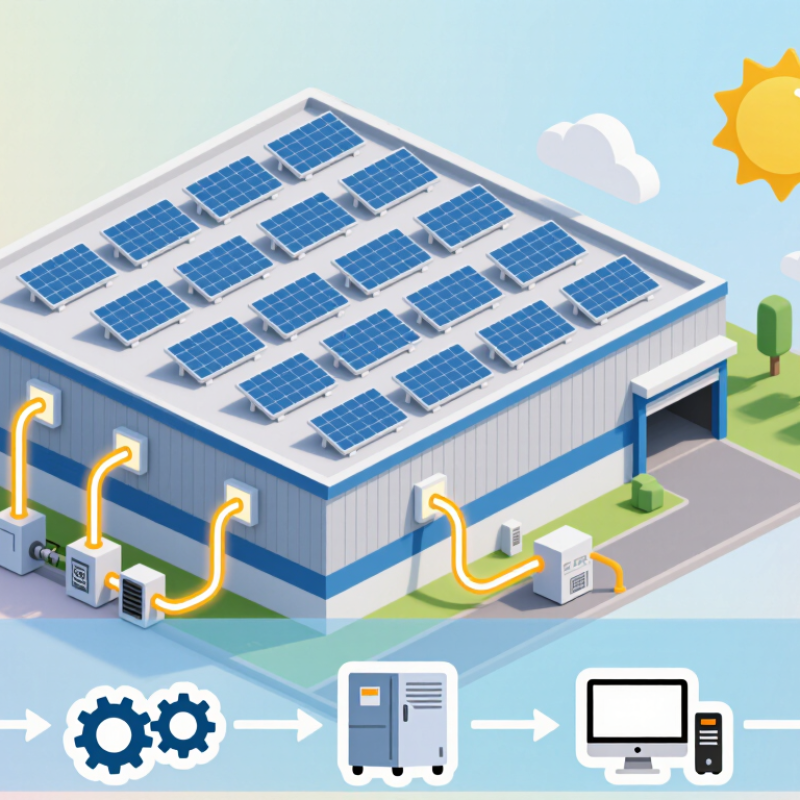
Solar’s Role in Business Energy: 346 GW Added Globally in 2023 (IRENA)
Why Choose a Solar Power System for Your Business?
Solar’s Role in Business Energy: 346 GW Added Globally in 2023 (IRENA)
Businesses are choosing solar to control rising electricity costs and improve energy planning. In 2023, the world added 346 GW of solar capacity, according to the International Renewable Energy Agency (IRENA). This figure shows strong market momentum, not a promise of identical savings for every company. A factory, office, and cold-storage site may have very different results.
A practical assessment begins with the roof, electricity bills, and operating schedule. A warehouse with bright midday demand can use much of its solar power directly. That may reduce grid purchases and protect cash flow during peak periods. However, shaded panels, aging roofs, and seasonal production can weaken the business case. I have seen simple estimates become unreliable when they ignore these details.
Tips: Compare at least twelve months of energy bills. Check roof strength before installation. Match panel output with daytime demand. Consider batteries only after reviewing their cost, maintenance, and expected use. Keep performance records after commissioning. Small data gaps matter.
Solar projects also require careful financial and technical review. Ask for clear assumptions about system life, maintenance, degradation, and payback. Local rules may affect permits, grid connection, and export payments. A cautious decision is often better than an impressive forecast. Growth is real, but planning should remain specific to the site.
Commercial Solar Economics: Utility-Scale PV Costs $29–92/MWh (Lazard 2024)
Why choose a solar power system for your business? The economics are increasingly practical. A widely cited 2024 energy-cost analysis places utility-scale solar photovoltaic power at approximately $29–92 per megawatt-hour. That equals $0.029–$0.092 per kilowatt-hour before project-specific adjustments.
This range is not a guaranteed commercial electricity rate. It reflects large projects with strong sunlight, efficient equipment, and favorable financing. A warehouse rooftop may cost more. Local labor, roof condition, grid upgrades, permits, and interest rates can change the result. Still, the figures provide a useful benchmark for planning.
Start with real operating data.
Review twelve months of utility bills, peak demand charges, and daytime consumption. A facility using power during sunny hours may capture more value. Battery storage can shift energy into evening operations, but it adds cost and maintenance. Keep the analysis grounded.
The roof matters.
An experienced installer should inspect shading, drainage, structural capacity, and remaining roof life. Replacing a roof later can disrupt a carefully planned system. Payback estimates also deserve skepticism. They may overlook insurance changes, inverter replacement, production losses, or future tariff changes. A clear financial model should show conservative, expected, and difficult scenarios. Solar can reduce exposure to rising grid prices, but it does not remove every business risk.
System Performance: PV Output Typically Degrades About 0.5% Annually (NREL)
Why Choose a Solar Power System for Your Business?
System Performance: PV Output Typically Degrades About 0.5% Annually (NREL)
A commercial solar power system can reduce daytime electricity purchases and improve energy cost planning. Its long service life matters as much as its first-year production. According to NREL, photovoltaic output typically degrades by about 0.5% annually. A panel producing 100 units today may produce about 99.5 units after one year. The decline is gradual, not a sudden failure.
Small losses add up. At that average rate, a system could retain roughly 90.5% of its original output after 20 years. Actual results can differ because heat, dust, shading, snow, wiring, and inverter performance affect production. A clean roof helps. So does regular monitoring. In my experience reviewing system data, small warnings are easier to fix when operators notice them early.
For business owners, performance software can compare expected and actual output each month. A qualified engineer should also inspect mounting, ventilation, and electrical connections. Forecasts are not guarantees. Real roofs are messy. Ask for clear degradation assumptions, maintenance records, and production estimates based on local sunlight. An annual inspection may reveal soiling near exhaust vents or shade from newly grown trees. Those details can matter more than a neat spreadsheet.
Energy Resilience: Solar-plus-Storage Improves Reliability During Grid Outages (NREL)
A solar power system can keep a business operating when the grid fails. Solar panels produce electricity during daylight, while batteries store energy for evening operations. With proper controls, the system can disconnect safely from the grid and serve selected circuits.
The U.S. Energy Information Administration reported that electricity customers experienced about 5.5 hours of interruptions in 2023, including major events. For a business, that can mean spoiled inventory, silent payment terminals, and lost customer data. Solar-plus-storage can protect essential equipment, such as refrigeration, network devices, security systems, and emergency lighting. NREL explains that resilience depends on pairing generation, storage, islanding controls, and carefully defined critical loads.
Design matters more than panel size. A battery may support a checkout system for many hours, but not every factory machine overnight. The U.S. Department of Energy notes that outage impacts can reach billions of dollars annually across the economy. Avoiding even a short shutdown may justify a resilience-focused investment.
Clouds still matter. So does battery degradation. A realistic design should model seasonal sunlight, peak demand, maintenance, and several outage scenarios. Businesses should also test backup operation before an emergency. It is easy to promise resilience. It is harder to prove it under pressure. Industry reports provide useful benchmarks, but each site needs an engineering assessment based on its actual loads.