Top Tips for Choosing the Best Residential Solar Systems?
As the popularity of residential solar systems continues to rise, homeowners face numerous choices. The solar industry has observed a significant growth, with over 2.7 million residential systems installed in the U.S. by 2022, according to the Solar Energy Industries Association (SEIA). Experts recommend that potential buyers assess their energy needs, available incentives, and regional regulations before making a decision.
Jason Williams, a renowned solar energy consultant, states, "Choosing the right residential solar system can save homeowners thousands over its lifespan." This highlights the importance of informed decision-making. Many homeowners may overlook potential pitfalls, such as the warranty terms or the provider's reliability. This could lead to frustration and unexpected costs in the long run.
With a range of options available, it is crucial to understand the components that make up an efficient residential solar system. From panel efficiency to installation quality, each detail matters. By evaluating both the pros and cons, homeowners can ensure they select a system that not only meets their current needs but also adapts to future energy demands.
Understanding the Basics of Residential Solar Systems
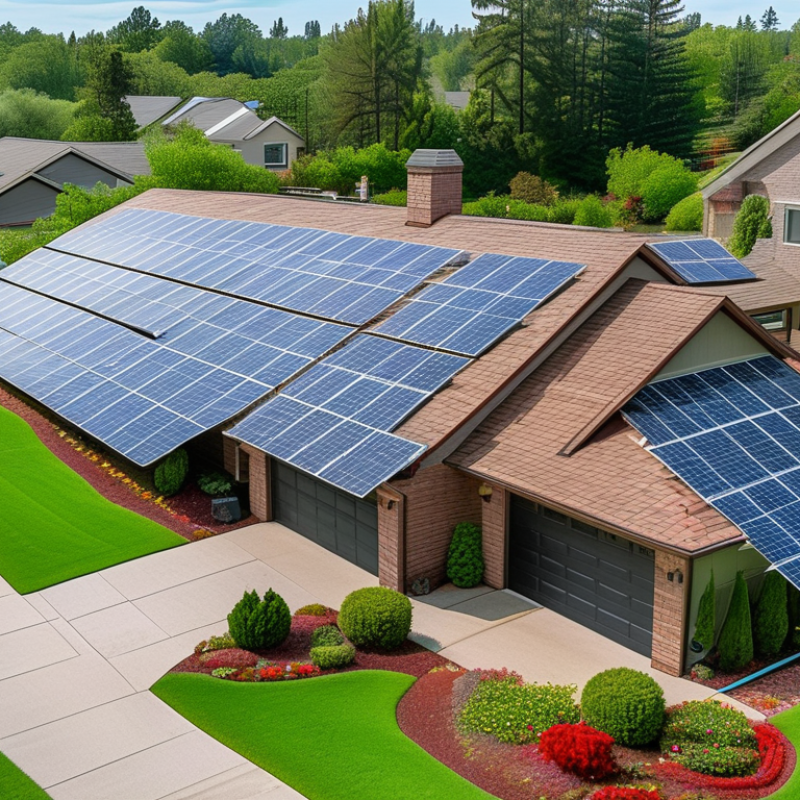
When considering residential solar systems, it's vital to understand the basics. Solar panels convert sunlight into electricity. This process is known as photovoltaic conversion. Homeowners can benefit from reduced energy bills, increased energy independence, and a smaller carbon footprint.
Choosing the right system involves several factors. The orientation and angle of your roof are crucial. If they aren't ideal, the system's efficiency may suffer. Additionally, consider your local climate. Areas with consistent sunlight will yield better returns on solar investments.
Installation requires professional expertise. An improperly installed system can lead to inefficiencies. It's important to review potential contractors thoroughly. Check their certifications and past projects. Even with the best equipment, performance can vary. Keep an eye on the system's performance over time. Adjustments may be necessary to optimize output.
Top Tips for Choosing the Best Residential Solar Systems
| Feature |
Importance |
Considerations |
Estimated Cost ($) |
| Solar Panel Type |
High |
Efficiency, warranty, and durability |
3000 - 15000 |
| Energy Storage Options |
Medium |
Battery capacity and lifespan |
2000 - 8000 |
| Installation Quality |
High |
Choosing certified installers |
1000 - 5000 |
| Inverter Type |
Medium |
String vs. micro-inverters |
1000 - 3000 |
| System Size |
High |
Based on household energy usage |
5000 - 25000 |
Evaluating Your Home’s Solar Potential and Energy Needs
Evaluating your home’s solar potential requires careful consideration. Start by examining your rooftop. Is it shaded by trees? Does it get enough sunlight throughout the day? A clear, unobstructed roof is essential for optimal solar energy absorption.
Next, assess your energy needs. Analyze your electricity bills from the past year. Identify how much energy you consume monthly. If you have electric vehicles or plan for expansion, factor these into your calculations. It’s crucial to choose a system that fits your usage.
Here are some tips:
- Use online solar calculators. They help estimate potential savings and system size.
- Consult with local solar experts. Their insights can be invaluable.
- Consider future energy trends. Planning ahead can lead to better investment choices.
Investing in solar is a long-term decision. Understanding your energy profile can improve the return on investment. It's worth acknowledging that not every home is a perfect candidate. Embrace the learning process to find the right fit.
Types of Solar Panels: Choosing the Right Technology for You
Choosing the right solar panel technology is crucial for optimizing energy efficiency. Different types of solar panels exist, each with unique advantages. Monocrystalline panels, known for their high efficiency and sleek design, typically provide 15-22% efficiency. Their longevity can exceed 25 years, making them a popular choice.
Polycrystalline panels, while slightly less efficient, are often more budget-friendly. They usually operate between 13-16% efficiency. Consider the space available on your roof. If room is limited, high-efficiency panels may be preferable. However, if you have ample space, polycrystalline options could be a viable solution.
Thin-film solar panels, another choice, are lightweight and versatile. They tend to be less efficient, usually ranging from 10-12%. Yet, their flexibility allows for installation on various surfaces. A 2022 report indicated solar installations could reach 1,200 GW globally by 2025. This growth signals a shift towards renewable energy. Each technology presents trade-offs. It’s essential to balance cost, efficiency, and installation needs when evaluating options. Reflect on your energy requirements and budget constraints to guide your decision.
Financial Considerations: Costs, Incentives, and Savings
When considering residential solar systems, financial factors are crucial. Costs vary widely depending on installation size and location. According to the Solar Energy Industries Association (SEIA), the average cost of a solar system in the U.S. is around $3.00 to $4.00 per watt. A typical 6 kW system may cost about $18,000 to $24,000 before incentives. These figures emphasize the importance of thorough research.
Incentives can significantly lower upfront costs. Federal tax credits provide a 26% reduction on the total installation cost through 2022. Many states offer additional rebates and programs that can further encourage solar adoption. Local incentives may also vary, influencing overall savings. However, these can change, sometimes with little notice. Before deciding, homeowners should stay updated on these financial opportunities.
Long-term savings are another consideration. Homeowners can potentially save thousands over the system’s lifespan. The average solar system may save a homeowner around $30,000 over 20 years based on national averages. Yet, energy prices fluctuate, affecting these predictions. A homeowner should assess their energy needs and usage patterns carefully before making a commitment. This ensures that they understand the financial implications involved with solar energy.
Financial Considerations for Residential Solar Systems
Selecting a Reputable Solar Installer: Key Factors to Consider
Selecting a reputable solar installer is essential for a successful solar project. The right installer can significantly influence the efficiency of your solar system. According to a report from the National Renewable Energy Laboratory, well-installed solar systems can increase energy production by up to 30%. In contrast, poor installation can lead to system failures and inefficiencies.
When considering installers, look for certifications from recognized organizations. Certifications like NABCEP (North American Board of Certified Energy Practitioners) ensure that the installer is trained and knowledgeable. A study from Solar Power World found that projects installed by certified professionals had 15% fewer issues than those by non-certified installers.
Additionally, consult reviews and references carefully. Testimonials provide insights into the installer’s quality of work. However, not all reviews tell the whole story. Some may be filtered or biased. Always ask for a few recent local references to verify their claims. A transparent contractor will happily provide contacts for past clients. This diligence can save you from costly mistakes down the line.